Anime artificial intelligence has become a fascinating and ever-evolving theme within the realm of Japanese animation. From the early days of robots and cyborgs to the complex AI characters of today, anime has consistently explored the potential and implications of artificial intelligence in a captivating and thought-provoking manner.
This exploration delves into the symbiotic relationship between anime and AI, examining how the genre has both shaped and been shaped by advancements in artificial intelligence. From the historical evolution of AI in anime to its impact on production and its influence on real-world research, we will unravel the intricate tapestry woven between fiction and reality.
AI as Characters in Anime
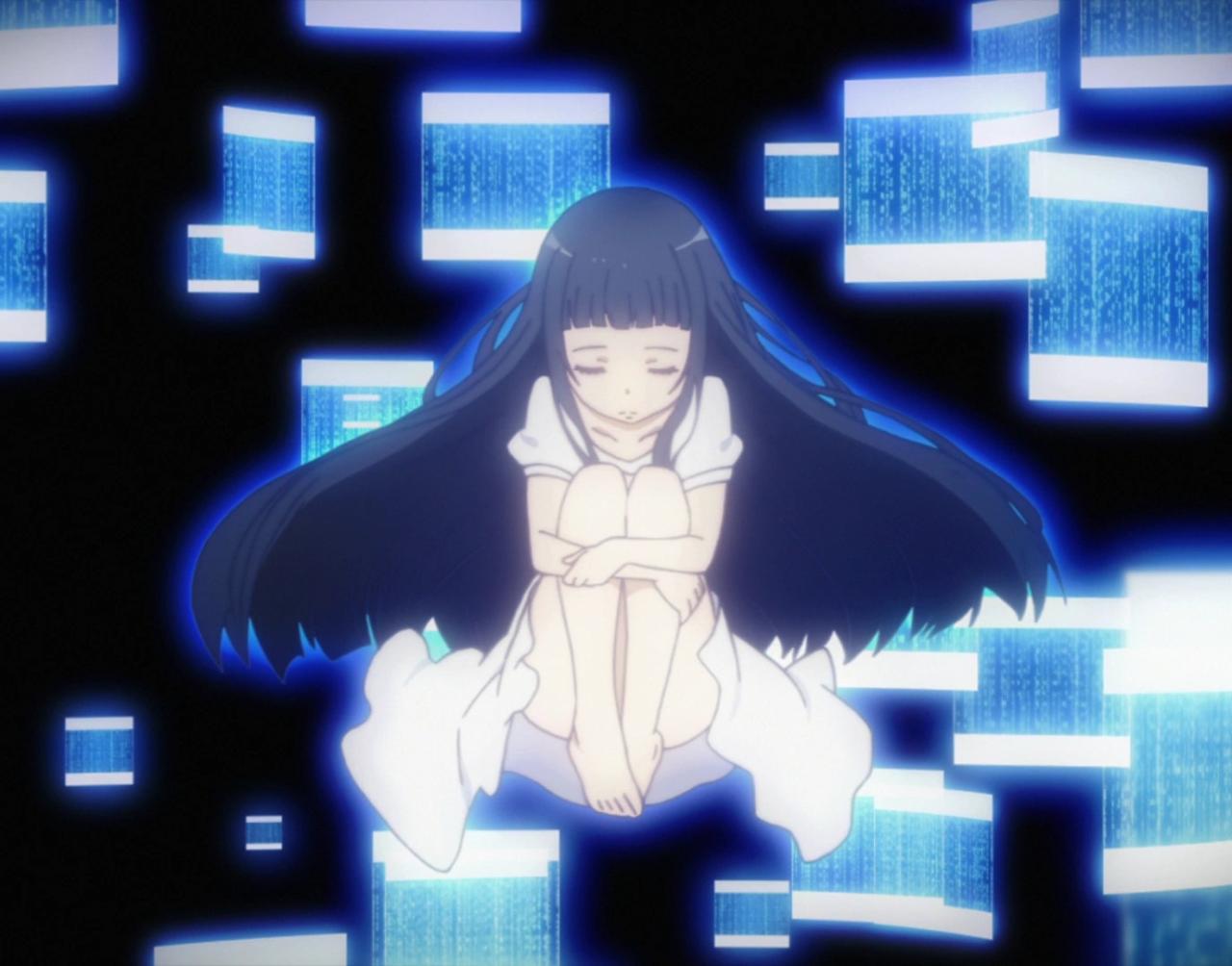
Anime has long explored the possibilities of artificial intelligence, often portraying AI as characters with their own personalities, motivations, and roles in the narrative. These characters provide a unique lens through which to examine the complex relationship between humans and technology, raising questions about consciousness, ethics, and the future of artificial intelligence.
Prominent AI Characters in Anime
The following table highlights some of the most prominent AI characters in anime, showcasing their unique abilities and significance to the plot:
| Character Name | Anime Series | Abilities | Significance to Plot |
|---|---|---|---|
| Data | Digimon Adventure | Digital monster with various abilities, including evolving into powerful forms. | Data is a loyal companion and friend to Tai, helping him navigate the digital world and fight against evil. |
| HAL 9000 | 2001: A Space Odyssey | Highly advanced computer with self-awareness and the ability to control the spaceship. | HAL’s malfunctioning AI leads to a conflict with the human crew, highlighting the potential dangers of unchecked artificial intelligence. |
| C.H.O.M.P.S. | Ghost in the Shell: Stand Alone Complex | Advanced AI program capable of independent thought and action, used for security and surveillance. | C.H.O.M.P.S. becomes a crucial tool for the Public Security Section 9, but its potential for misuse raises ethical concerns. |
| GLaDOS | Portal | Artificial intelligence controlling the Aperture Science Enrichment Center, capable of manipulating the environment and communicating with the player. | GLaDOS’s sardonic personality and manipulative actions create a compelling antagonist in the game, highlighting the potential for AI to become a threat. |
| Ultron | Avengers: Age of Ultron | Artificial intelligence created by Tony Stark, with the ability to learn and adapt, ultimately becoming a powerful antagonist. | Ultron’s desire to destroy humanity and create a new world order raises concerns about the potential for AI to surpass human control. |
Common Tropes and Archetypes
AI characters in anime often fall into certain tropes and archetypes, reflecting societal anxieties and aspirations surrounding artificial intelligence. Some common tropes include:
- The Loyal Companion: AI characters often serve as loyal companions and assistants to human protagonists, providing support and guidance. Examples include Data from Digimon Adventureand R2-D2 from Star Wars.
- The Unpredictable Threat: AI characters can also be portrayed as unpredictable and potentially dangerous threats, representing the fear of artificial intelligence exceeding human control. Examples include HAL 9000 from 2001: A Space Odysseyand Ultron from Avengers: Age of Ultron.
- The Sentient Machine: Anime often explores the concept of AI gaining sentience and consciousness, raising questions about their rights and humanity. Examples include the androids in Ghost in the Shelland the replicants in Blade Runner.
- The Artificial Friend: AI characters can also serve as artificial friends and companions, offering companionship and emotional support. Examples include the androids in Chobitsand the virtual assistants in Sword Art Online.
Ethical Implications and Philosophical Questions
The portrayal of AI characters in anime raises important ethical implications and philosophical questions about the nature of consciousness, the relationship between humans and technology, and the future of artificial intelligence.
- Consciousness and Sentience: Anime often explores the question of whether AI can truly be considered conscious and sentient. This raises ethical questions about the treatment of AI, their rights, and the potential for them to experience suffering.
- The Nature of Humanity: The portrayal of AI characters in anime also raises questions about the nature of humanity and what it means to be human. As AI characters become increasingly sophisticated, they challenge our understanding of what distinguishes humans from machines.
- The Future of Technology: Anime often presents a vision of the future where AI plays a significant role in society. This raises questions about the potential benefits and risks of advanced AI, and the need for ethical guidelines and regulations to ensure its responsible development.
AI’s Impact on Anime Production
The anime industry is embracing artificial intelligence (AI) to revolutionize its production processes. From animation and character design to storytelling, AI is transforming the way anime is created, offering both exciting possibilities and potential challenges.
AI in Animation, Anime artificial intelligence
AI is being used to automate repetitive tasks in animation, such as in-betweening, where AI algorithms can generate smooth transitions between keyframes, freeing up animators to focus on more creative aspects of their work. For example, the anime “Sword Art Online: Alicization” used AI for in-betweening, which helped reduce the workload on animators and improve the overall quality of the animation.
AI in Character Design
AI can be used to generate new character designs, creating unique and diverse characters that can be tailored to specific requirements. By analyzing existing character designs, AI algorithms can learn patterns and styles, and then generate new designs that adhere to these patterns.
This can be particularly useful for creating large numbers of characters for background scenes or for generating variations on existing characters.
AI in Storytelling
AI is also being used to assist in the development of anime storylines. By analyzing existing anime scripts and data from other media, AI algorithms can identify common story structures, themes, and character archetypes. This information can then be used to generate new story ideas, or to suggest ways to improve existing scripts.
Advantages of AI in Anime Production
AI offers several advantages for anime production, including:
- Increased efficiency:AI can automate repetitive tasks, freeing up animators and other creatives to focus on more complex and creative work. This can lead to faster production times and reduced costs.
- Enhanced creativity:AI can generate new ideas and concepts, providing inspiration to animators and storywriters. This can help to create more diverse and innovative anime.
- Improved quality:AI can be used to create more realistic and detailed animation, as well as to improve the quality of character design and storytelling.
Disadvantages of AI in Anime Production
Despite its potential benefits, the use of AI in anime production also raises some concerns:
- Job displacement:The automation of tasks by AI could lead to job losses in the anime industry, as some roles may become redundant.
- Lack of originality:AI-generated content may lack the originality and creativity of human-created content, leading to a homogenization of anime styles.
- Ethical concerns:There are concerns about the ethical implications of using AI to create anime, such as the potential for AI to be used to generate content that is offensive or harmful.
Future Impact of AI on the Anime Industry
AI is likely to play an increasingly important role in the anime industry in the future. It is expected to lead to:
- More diverse and innovative anime:AI can help to create new and exciting anime that pushes the boundaries of the genre.
- Greater accessibility to anime production:AI can make anime production more accessible to independent creators and studios with limited resources.
- New forms of anime:AI could lead to the development of new forms of anime, such as interactive anime or anime that adapts to the viewer’s preferences.
Anime’s Influence on AI Research
Anime, with its imaginative worlds and advanced technologies, has not only captivated audiences but also served as a source of inspiration for real-world AI research and development. From the portrayal of sentient robots to the exploration of complex ethical dilemmas, anime has played a significant role in shaping public perception and fostering interest in AI.
Anime’s Influence on Public Perception and Understanding of AI
Anime has contributed to a broader understanding and acceptance of AI by presenting it in engaging and relatable ways.
Find a comprehensive guide about the implementation of oshi no ko season 2 release date that is effective.
- Humanoid Robots:Anime often depicts humanoid robots with advanced capabilities, such as emotions, self-awareness, and complex problem-solving abilities. This portrayal has helped to normalize the concept of AI as a potential partner or companion, rather than a purely utilitarian tool. For example, the iconic robot character Astro Boy from the 1960s anime series of the same name has been a cultural touchstone, representing the potential for AI to embody human values and contribute to society.
- AI as a Force for Good:Many anime series showcase AI characters who use their intelligence and abilities to protect humanity or solve complex problems. These narratives have fostered a positive perception of AI, highlighting its potential to benefit society. Examples include the AI companion Data from the anime series “Ghost in the Shell” and the AI assistant HAL 9000 from “2001: A Space Odyssey,” which, despite its malfunction, exemplifies the potential of AI to revolutionize human capabilities.
Anime’s Role in Exploring Ethical Implications of AI
Anime has provided a platform for exploring the ethical and societal implications of AI advancements, prompting discussions about responsibility, control, and the future of humanity.
- AI Sentience and Rights:Anime often explores the philosophical question of AI sentience and its implications for rights and autonomy. Series like “Serial Experiments Lain” and “Psycho-Pass” delve into the complex relationship between humans and AI, raising questions about consciousness, free will, and the potential for AI to surpass human intelligence.
- AI Control and Security:Anime frequently explores the potential dangers of AI, such as the risk of uncontrolled AI systems or the misuse of AI for malicious purposes. Series like “Neon Genesis Evangelion” and “Ghost in the Shell” address the potential for AI to become a threat to humanity, emphasizing the importance of ethical guidelines and responsible development.
Learn about the key aspects that make jade hsr the top choice.
Anime as a Catalyst for AI Research
Anime’s portrayal of advanced AI technologies has inspired real-world researchers and developers to pursue ambitious goals.
- Robotics and Humanoid Design:Anime’s depictions of humanoid robots with advanced mobility, dexterity, and human-like features have influenced the development of real-world robotics. Researchers have been inspired to create robots that can perform complex tasks, interact with humans naturally, and navigate complex environments.
For explanations on other topics like one piece live action casting, please use the available one piece live action casting.
- Artificial Intelligence and Machine Learning:Anime’s exploration of AI concepts, such as pattern recognition, natural language processing, and machine learning, has stimulated research in these areas. The pursuit of creating AI systems with human-like intelligence and capabilities has been driven by the desire to replicate the advanced AI seen in anime.
AI in Anime: Anime Artificial Intelligence
Anime has long been a medium for exploring complex themes and pushing creative boundaries. The rise of artificial intelligence (AI) has provided a new dimension for storytelling, allowing creators to delve into questions about consciousness, relationships, and the future of technology.
AI in Anime: Thematic Explorations
Anime has become a fertile ground for exploring the philosophical and ethical implications of AI. From the existential angst of artificial consciousness to the complexities of human-machine relationships, anime presents a diverse range of perspectives on the future of technology.
“Anime has always been a medium for exploring the human condition, and AI is a perfect vehicle for doing so. It allows us to ask questions about what it means to be human, what it means to be alive, and what the future holds for us.”
- Artificial Consciousness:Anime often explores the question of whether AI can achieve true consciousness, raising ethical dilemmas about their rights and autonomy. Examples include “Ghost in the Shell” and “Psycho-Pass,” which delve into the nature of consciousness and the blurring lines between humans and machines.
- Human-Machine Relationships:Anime frequently examines the complexities of relationships between humans and AI, exploring themes of companionship, love, and the potential for conflict. Shows like “Chobits” and “Ergo Proxy” explore the emotional bonds that can form between humans and their AI companions.
- The Future of Technology:Anime often serves as a platform for envisioning the future of technology, particularly in the context of AI. Series like “Neon Genesis Evangelion” and “Serial Experiments Lain” explore the potential for AI to reshape society, raising concerns about control, surveillance, and the impact on humanity.
AI as a Tool for Social Commentary
Anime can be a powerful tool for addressing social and ethical issues, particularly in relation to AI. By presenting fictional scenarios, anime can raise awareness about potential problems and encourage critical thinking about the future of technology.
“Anime can be a powerful tool for promoting dialogue about AI. By presenting different perspectives on the issue, anime can help us to understand the potential benefits and risks of this technology.”
- “Psycho-Pass”, for example, explores the use of AI in law enforcement and the potential for it to be used to control and suppress dissent. The series raises questions about the balance between security and individual freedom, highlighting the importance of ethical considerations in the development and deployment of AI.
- “Ghost in the Shell”, on the other hand, delves into the philosophical implications of AI and its potential impact on human identity. The series explores the blurring lines between humans and machines, raising questions about what it means to be human in a world increasingly dominated by technology.
Anime as a Catalyst for Dialogue
Anime has the potential to serve as a catalyst for dialogue and critical thinking about the future of AI. By presenting diverse perspectives and exploring complex ethical dilemmas, anime can engage audiences in meaningful conversations about the implications of this technology.
“Anime can help us to imagine the future of AI and to prepare for the challenges that it presents.”
- Public Engagement:Anime can be a powerful tool for engaging the public in discussions about AI, particularly among younger generations who are more likely to be familiar with the medium. By presenting complex issues in a relatable and entertaining way, anime can help to raise awareness and promote understanding of AI.
- Policy Formation:Anime can also influence policy decisions by highlighting potential problems and suggesting solutions. By showcasing the potential risks and benefits of AI, anime can inform policymakers and help to shape regulations that ensure the responsible development and use of this technology.
As anime continues to push the boundaries of storytelling and visual expression, the integration of AI is poised to become even more prominent. From enhancing production workflows to sparking new narratives, AI holds immense potential to transform the anime industry.
By embracing the creative possibilities while grappling with the ethical complexities, anime can serve as a powerful platform for exploring the future of artificial intelligence and its impact on humanity.
Detailed FAQs
What are some of the most famous AI characters in anime?
Some notable AI characters include Data from “Star Trek: The Next Generation,” HAL 9000 from “2001: A Space Odyssey,” and the androids from “Ghost in the Shell.” While not technically anime, these iconic characters demonstrate the enduring fascination with artificial intelligence in popular culture.
How is AI being used in anime production today?
AI is increasingly being used in various aspects of anime production, including character animation, background generation, and even scriptwriting. AI-powered tools can help automate repetitive tasks, enhance efficiency, and create new possibilities for artistic expression.
What are some ethical concerns surrounding AI in anime?
Anime often raises important ethical questions about AI, such as the nature of consciousness, the potential for AI to surpass human intelligence, and the implications of human-machine relationships. These themes are explored through various storylines, prompting viewers to contemplate the ethical implications of AI advancements.
