Best fighter anime, a realm where fists fly, swords clash, and the boundaries of human potential are pushed to their limits, offers a captivating blend of action, drama, and emotional depth. From the classic martial arts duels of “Dragon Ball Z” to the supernatural battles of “Naruto,” fighter anime has captivated audiences for decades, exploring themes of strength, perseverance, and the unyielding human spirit.
This genre is more than just flashy fight sequences; it delves into complex character development, intricate plotlines, and innovative fighting styles. The best fighter anime transcends the boundaries of entertainment, leaving a lasting impact on viewers, inspiring them to strive for their own personal growth and overcome challenges with unwavering determination.
Defining “Best” in Fighter Anime
The term “best” is subjective and can be interpreted differently by each individual. When it comes to fighter anime, there are numerous factors that contribute to its quality and appeal. Determining the “best” fighter anime involves considering various elements that make a show truly exceptional.
Fighting Styles
The fighting styles showcased in fighter anime play a crucial role in its appeal. The diversity and creativity of these styles can be captivating, ranging from traditional martial arts like boxing and karate to more fantastical techniques inspired by mythology and science fiction.
- Realism:Anime like “Hajime no Ippo” excels in portraying realistic boxing techniques, focusing on the technical aspects of the sport and the physical and mental challenges faced by boxers.
- Fantasy:Anime like “Naruto” introduces unique and imaginative fighting styles based on chakra manipulation and jutsu, providing a blend of action and fantasy that captivates audiences.
- Supernatural:Anime like “Bleach” incorporates supernatural elements into its fighting style, where characters wield spiritual powers and engage in high-octane battles that push the boundaries of reality.
Character Development
Character development is paramount in any anime, and fighter anime is no exception. Well-developed characters with compelling backstories, motivations, and growth arcs enhance the emotional impact of the show and make viewers invested in their journey.
- Complexities:Anime like “Hunter x Hunter” features characters with multifaceted personalities and complex motivations, showcasing their struggles, triumphs, and growth throughout the series.
- Emotional Depth:Anime like “Fullmetal Alchemist: Brotherhood” delves into the emotional complexities of its characters, exploring themes of sacrifice, redemption, and the consequences of their actions.
- Moral Ambiguity:Anime like “Code Geass” presents characters with morally gray motivations, forcing viewers to question their actions and the complexities of their choices.
Plot Complexity
A captivating plot is essential for a compelling fighter anime. A well-structured narrative with engaging twists, turns, and surprises keeps viewers on the edge of their seats and eager to see how the story unfolds.
- Intricate Storylines:Anime like “Attack on Titan” features a complex and intricate storyline with political intrigue, societal upheaval, and epic battles that challenge the characters and the viewers.
- Unexpected Twists:Anime like “Death Note” incorporates unexpected twists and turns, keeping the audience guessing and engaged with the ever-changing dynamics between the protagonist and antagonist.
- Emotional Impact:Anime like “Your Lie in April” weaves a touching and emotional storyline with themes of loss, grief, and the power of music, making it a memorable and impactful experience.
Animation Quality
High-quality animation is crucial for fighter anime, as it brings the action sequences to life and enhances the visual impact of the show. Smooth animation, detailed character designs, and impressive fight choreography can elevate the viewing experience.
- Fluid Motion:Anime like “Mob Psycho 100” showcases fluid animation that captures the intensity and dynamism of the fights, making them visually stunning and engaging.
- Detailed Characters:Anime like “Sword Art Online” features intricate character designs and detailed environments that create a visually immersive experience for the viewers.
- Spectacular Choreography:Anime like “One Punch Man” is known for its impressive fight choreography, showcasing exaggerated movements and dynamic camera angles that emphasize the power and speed of the characters.
Overall Impact
The overall impact of a fighter anime is a culmination of all the elements discussed above. A show that leaves a lasting impression on viewers, whether through its memorable characters, captivating storyline, or awe-inspiring action sequences, is considered a truly exceptional fighter anime.
- Emotional Resonance:Anime like “Neon Genesis Evangelion” explores complex themes of human psychology, existentialism, and the nature of reality, leaving a profound impact on viewers.
- Social Commentary:Anime like “Akira” tackles social commentary and explores themes of political corruption, technological advancement, and the consequences of unchecked power, sparking discussions and raising awareness.
- Cultural Influence:Anime like “Dragon Ball Z” has had a significant cultural impact, influencing other anime and popular culture with its iconic characters, storylines, and fighting styles.
Iconic Fighter Anime Series
The world of anime has produced a plethora of iconic fighter series, each leaving an indelible mark on the genre and captivating audiences worldwide. These series have not only entertained but also pushed the boundaries of animation, storytelling, and action choreography, leaving a lasting legacy on the medium.
The Most Popular and Critically Acclaimed Fighter Anime Series
These series have earned widespread recognition for their unique fighting styles, memorable characters, and captivating storylines.
- Dragon Ball: This iconic series, created by Akira Toriyama, has been a cornerstone of anime since its debut in 1986. Dragon Ball follows the adventures of Goku, a young boy who trains to become the strongest warrior in the universe.
The series features a wide range of unique fighting styles, including martial arts, energy blasts, and even flight. The series’ memorable characters, such as Vegeta, Piccolo, and Frieza, have become iconic figures in pop culture. Dragon Ball’s popularity has transcended generations, inspiring countless sequels, movies, and video games.
The series’ impact on the anime genre is undeniable, popularizing the “shonen” genre and setting a standard for action-packed storytelling.
- Naruto: Created by Masashi Kishimoto, Naruto tells the story of Naruto Uzumaki, a young ninja who dreams of becoming Hokage, the leader of his village. The series features a unique blend of martial arts, ninjutsu, and chakra manipulation. Naruto’s memorable characters, such as Sasuke Uchiha, Kakashi Hatake, and Sakura Haruno, have resonated with fans worldwide.
The series’ complex storyline, exploring themes of friendship, loyalty, and self-discovery, has captivated audiences. Naruto’s influence on the anime genre is significant, popularizing the ninja genre and inspiring countless spin-offs and adaptations.
- One Piece: Created by Eiichiro Oda, One Piece is a long-running pirate adventure series that follows the journey of Monkey D. Luffy, a young boy who dreams of becoming the Pirate King. The series features a unique blend of swordsmanship, martial arts, and devil fruit powers.
One Piece’s memorable characters, such as Roronoa Zoro, Nami, and Sanji, have become beloved figures in the anime world. The series’ epic storyline, exploring themes of freedom, adventure, and camaraderie, has captivated audiences worldwide. One Piece’s cultural impact is undeniable, setting a new standard for long-running anime series and inspiring countless adaptations and spin-offs.
- Yu Yu Hakusho: Created by Yoshihiro Togashi, Yu Yu Hakusho tells the story of Yusuke Urameshi, a delinquent who becomes a Spirit Detective after dying and being resurrected. The series features a unique blend of martial arts, spirit energy manipulation, and supernatural abilities.
Yu Yu Hakusho’s memorable characters, such as Kurama, Hiei, and Kuwabara, have become iconic figures in the anime world. The series’ complex storyline, exploring themes of friendship, loyalty, and sacrifice, has captivated audiences. Yu Yu Hakusho’s influence on the anime genre is significant, popularizing the supernatural action genre and inspiring countless spin-offs and adaptations.
- Bleach: Created by Tite Kubo, Bleach tells the story of Ichigo Kurosaki, a high school student who becomes a Soul Reaper after inheriting the powers of his father. The series features a unique blend of swordsmanship, spiritual energy manipulation, and supernatural abilities.
Bleach’s memorable characters, such as Rukia Kuchiki, Renji Abarai, and Byakuya Kuchiki, have become iconic figures in the anime world. The series’ complex storyline, exploring themes of duty, honor, and sacrifice, has captivated audiences. Bleach’s influence on the anime genre is significant, popularizing the supernatural action genre and inspiring countless spin-offs and adaptations.
The Impact of Iconic Fighter Anime Series on the Anime Genre
These series have significantly influenced the anime genre, shaping the landscape of action-packed storytelling and character development.
- Popularity of the “Shonen” Genre: Many of these series have contributed to the popularity of the “shonen” genre, which focuses on young male protagonists and themes of adventure, friendship, and self-improvement. These series have set a standard for action-packed storytelling and character development, inspiring countless other “shonen” series.
- Innovation in Action Choreography: These series have pushed the boundaries of animation and action choreography, showcasing dynamic and visually stunning fight sequences. The use of innovative camera angles, special effects, and intricate movements has set a new standard for action anime.
- Memorable Characters and Character Development: These series have introduced memorable and complex characters that have resonated with audiences worldwide. The series’ focus on character development, exploring the characters’ motivations, struggles, and growth, has made them relatable and inspiring.
- Cultural Impact and Influence: These series have transcended the boundaries of anime, becoming global phenomena with a devoted fan base. They have influenced popular culture, fashion, music, and even language. The series’ iconic characters, catchphrases, and storylines have become part of the collective consciousness, leaving a lasting legacy on the world.
Diverse Fighting Styles in Anime
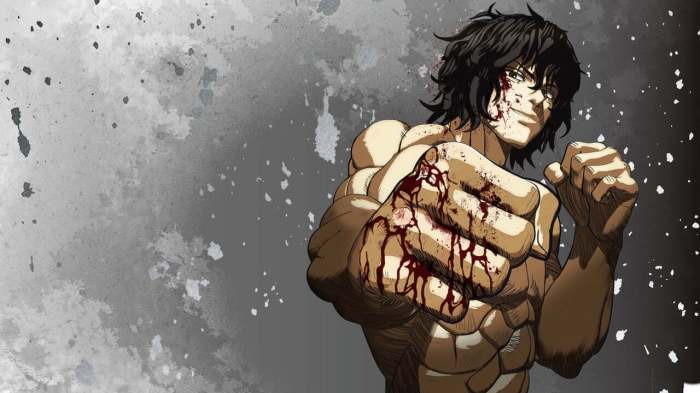
Fighter anime, a genre brimming with action and excitement, is often defined by the unique fighting styles showcased. From martial arts to supernatural powers, these styles add depth and complexity to the battles, captivating viewers with their diverse techniques and strategies.
Martial Arts
Martial arts are a staple in fighter anime, providing a realistic and grounded foundation for combat. These styles are rooted in real-world techniques, often incorporating intricate movements, precise strikes, and strategic maneuvers.
- Judo:This grappling-based martial art emphasizes throws, holds, and submissions, relying on leverage and momentum to overcome opponents. Anime like “Hajime no Ippo” feature characters like Ippo Makunouchi, who utilize Judo techniques to gain an advantage in boxing matches.
- Karate:Known for its powerful strikes and kicks, Karate focuses on direct attacks and defensive blocks. Anime like “Kenichi: The Mightiest Disciple” showcase Karate’s effectiveness through characters like Kenichi Shirahama, who learns various Karate styles to become a skilled fighter.
- Kung Fu:This Chinese martial art encompasses a wide range of techniques, including strikes, kicks, grappling, and acrobatic movements. Anime like “Shaolin Wudang” and “Rurouni Kenshin” feature characters like Li Xianglan and Kenshin Himura, who utilize Kung Fu to deliver devastating blows and perform impressive feats of agility.
- Taekwondo:This Korean martial art emphasizes high kicks and spinning attacks, aiming to deliver powerful strikes from a distance. Anime like “The God of High School” showcase Taekwondo’s dynamic fighting style through characters like Jin Mori, who uses his powerful kicks to overwhelm opponents.
Swordsmanship
Swordsmanship, a timeless fighting art, adds a sense of elegance and precision to anime battles. These styles require mastery of the blade, incorporating swift movements, strategic positioning, and deadly strikes.
- Kendo:This Japanese martial art focuses on using a bamboo sword to strike designated targets, emphasizing discipline, focus, and precise movements. Anime like “Rurouni Kenshin” and “Sword Art Online” showcase characters like Kenshin Himura and Kirito, who utilize Kendo techniques to execute swift and powerful strikes.
Do not miss the opportunity to learn more about the context of solo leveling release dates.
- Iaido:This Japanese martial art emphasizes drawing the sword from its scabbard in a single, fluid motion, aiming for a swift and decisive attack. Anime like “Fate/Zero” feature characters like Saber, who uses Iaido techniques to deliver powerful strikes with incredible speed.
- Kenjutsu:This Japanese martial art encompasses a wide range of sword techniques, including strikes, parries, and blocks, emphasizing strategic movements and precise blade control. Anime like “Samurai Champloo” and “Afro Samurai” showcase characters like Mugen and Afro, who utilize Kenjutsu to engage in intense and acrobatic sword battles.
Superpowers
Superpowers, a staple in many fighter anime, elevate combat to new heights, introducing fantastical abilities that defy the laws of nature. These powers can range from superhuman strength and speed to energy manipulation and telekinesis, creating epic battles with awe-inspiring displays of power.
- Superhuman Strength and Speed:This power grants individuals immense physical abilities, allowing them to deliver devastating blows and move with incredible speed. Anime like “One Punch Man” feature characters like Saitama, who possesses overwhelming strength and speed, capable of defeating opponents with a single punch.
- Energy Manipulation:This power allows individuals to control and manipulate various forms of energy, such as fire, electricity, and light. Anime like “My Hero Academia” showcase characters like Izuku Midoriya, who utilizes his quirk to manipulate energy and unleash powerful attacks.
- Telekinesis:This power grants individuals the ability to move objects with their minds, allowing for both offensive and defensive maneuvers. Anime like “Mob Psycho 100” feature characters like Shigeo Kageyama, who utilizes his telekinetic abilities to control objects and unleash powerful psychic attacks.
Supernatural Abilities
Supernatural abilities, often rooted in mystical or spiritual powers, add a unique dimension to fighter anime. These abilities can range from elemental manipulation to summoning spirits, introducing a sense of magic and wonder to combat.
- Elemental Manipulation:This ability allows individuals to control and manipulate elements like fire, water, earth, and wind. Anime like “Avatar: The Last Airbender” feature characters like Aang, who utilizes his mastery of the four elements to bend them to his will and unleash powerful attacks.
- Summoning Spirits:This ability allows individuals to summon and command spirits or creatures, granting them access to powerful allies in battle. Anime like “Yu Yu Hakusho” showcase characters like Yusuke Urameshi, who utilizes his spiritual energy to summon and control various spirits.
- Magic:This ability grants individuals the power to perform various spells and rituals, drawing upon mystical forces to enhance their abilities or unleash powerful attacks. Anime like “Fate/Zero” feature characters like Caster, who utilizes magic to perform powerful spells and manipulate the battlefield.
Comparing Fighting Styles
| Fighting Style | Strengths | Weaknesses |
|---|---|---|
| Martial Arts | Grounded in reality, diverse techniques, emphasizes strategy and precision | Limited by human physical capabilities, vulnerable to supernatural powers |
| Swordsmanship | Elegant and precise, emphasizes speed and accuracy, can be devastatingly effective | Requires mastery and practice, vulnerable to ranged attacks or opponents with supernatural abilities |
| Superpowers | Unleash extraordinary abilities, can overcome physical limitations, create visually spectacular battles | Can be overwhelming and unrealistic, reliance on powers can lead to vulnerability if lost |
| Supernatural Abilities | Adds a magical and mystical element to combat, can introduce unique and powerful abilities | Often relies on specific rules or limitations, can be difficult to balance with other fighting styles |
Evolution of Fighter Anime
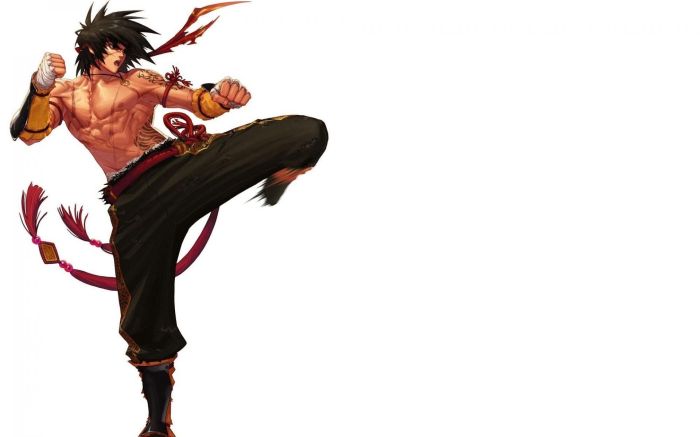
Fighter anime has undergone a remarkable evolution, reflecting the changing landscape of animation, storytelling, and cultural trends. From its humble beginnings to its current global popularity, the genre has evolved alongside technological advancements, artistic innovations, and shifting audience preferences.
Key Milestones and Influential Works
The origins of fighter anime can be traced back to the 1960s, with early works like “Astro Boy” (1963) and “Kimba the White Lion” (1965) showcasing elements of action and martial arts. However, it was the 1970s that truly saw the emergence of fighter anime as a distinct genre.
- “Fist of the North Star” (1984):This post-apocalyptic martial arts series, with its brutal fighting style and iconic characters, became a cultural phenomenon, setting a new standard for action and violence in anime.
- “Dragon Ball” (1986):This iconic series, based on Akira Toriyama’s manga, revolutionized the genre with its over-the-top action, fantastical elements, and enduring appeal, inspiring generations of fans.
- “Street Fighter II: The Animated Movie” (1994):This film, based on the popular fighting game, showcased advanced animation techniques and introduced a new level of realism to fighter anime.
Evolution of Fighting Styles
Fighter anime has explored a wide range of fighting styles, from traditional martial arts to fantastical superpowers.
- Early works:Often focused on traditional martial arts like karate, judo, and boxing.
- Mid-to-late 1980s and 1990s:Saw the emergence of more fantastical and supernatural fighting styles, such as “Dragon Ball” with its ki-based combat and “Yu Yu Hakusho” with its spirit energy.
- Modern era:Continues to explore diverse fighting styles, incorporating elements of mixed martial arts, swordplay, and even modern weaponry.
Evolution of Animation Techniques
Animation techniques have advanced significantly throughout the history of fighter anime, reflecting technological advancements and artistic innovation.
- Early works:Often relied on hand-drawn animation, with limited motion and fluidity.
- Mid-to-late 1980s and 1990s:Saw the introduction of computer animation, allowing for more dynamic and realistic action sequences.
- Modern era:Utilizes advanced CGI techniques, creating stunning visuals and highly detailed fight scenes.
Evolution of Storytelling Methods
Storytelling in fighter anime has evolved to become more complex and nuanced, incorporating diverse themes and characters.
- Early works:Often focused on simple narratives of good versus evil, with clear-cut heroes and villains.
- Mid-to-late 1980s and 1990s:Began to explore more complex themes, such as personal growth, redemption, and the nature of power.
- Modern era:Features multifaceted characters, intricate plots, and explorations of social and political issues.
Adapting to Changing Trends and Technology
Fighter anime has consistently adapted to changing trends and technology, remaining relevant and engaging for audiences.
- Digital animation:The rise of digital animation has allowed for greater flexibility and experimentation in fight choreography and visual effects.
- Streaming platforms:The popularity of streaming platforms like Netflix and Crunchyroll has made fighter anime more accessible to global audiences.
- Interactive elements:Some modern fighter anime incorporate interactive elements, allowing viewers to participate in the action.
The Appeal of Fighter Anime

Fighter anime, a genre characterized by intense battles, captivating characters, and exhilarating action sequences, has captivated audiences worldwide. The genre’s enduring popularity stems from its ability to resonate with viewers on multiple levels, offering a compelling blend of entertainment, emotional depth, and relatable themes.
Themes and Messages
Fighter anime often explores profound themes that resonate with viewers on a personal level. These themes include:
- Overcoming Adversity: Fighter anime frequently portrays characters who face seemingly insurmountable challenges, both internal and external. Through their struggles, viewers witness the power of perseverance, resilience, and the human spirit’s ability to triumph over adversity. For instance, in “Naruto,” the protagonist Naruto Uzumaki overcomes prejudice and social ostracism to become a powerful ninja and a respected leader.
- Personal Growth: The journey of a fighter is often one of self-discovery and personal growth. Characters undergo rigorous training, pushing their limits and developing new skills. This process of transformation, both physically and mentally, resonates with viewers who can relate to the desire for self-improvement and the pursuit of personal excellence.
- The Pursuit of Strength: The core of fighter anime revolves around the pursuit of strength, whether it be physical, mental, or spiritual. Characters strive to master their abilities, overcome their weaknesses, and reach their full potential. This theme appeals to viewers who admire strength and determination, and who seek inspiration to overcome their own challenges.
Emotional Impact and Connection
Beyond the action and spectacle, fighter anime fosters a deep emotional connection with viewers. The characters’ struggles, triumphs, and sacrifices evoke a range of emotions, from excitement and exhilaration to empathy and compassion. Viewers often find themselves rooting for the protagonists, experiencing their joys and sorrows as if they were their own.
Impact of Fighter Anime on Pop Culture
Fighter anime has not only captured the hearts of audiences worldwide but has also left an indelible mark on popular culture. The dynamic fighting styles, compelling characters, and epic storylines have inspired creators in various media, influencing video games, movies, and comics.
Influence on Video Games
The impact of fighter anime on video games is undeniable. From character design and fighting mechanics to storylines and overall aesthetics, numerous video games have drawn inspiration from iconic fighter anime series.
Learn about how counter dyrroth can provide the best responses for your issues.
- Character Design and Fighting Mechanics:Games like “Tekken,” “Street Fighter,” and “Mortal Kombat” have adopted the exaggerated and dynamic fighting styles popularized in anime series like “Dragon Ball Z” and “Street Fighter II.” The characters themselves often feature distinctive appearances and personalities, mirroring the iconic designs found in anime.
- Storylines and Worldbuilding:Video games like “Guilty Gear” and “Blazblue” have borrowed heavily from the complex narratives and intricate worldbuilding often seen in anime series like “Fate/Zero” and “Naruto.” These games feature intricate backstories, political intrigue, and complex character relationships, creating immersive and engaging worlds for players to explore.
- Gameplay Mechanics:The concept of “super moves” or “special attacks,” a staple of many fighter anime series, has been implemented in countless video games. Games like “Super Smash Bros.” and “Guilty Gear” have adopted this mechanic, allowing players to unleash devastating attacks with strategic timing and execution, mirroring the epic clashes seen in anime.
Influence on Movies
Fighter anime has significantly influenced the action genre in Hollywood movies. The high-octane fight sequences, visual effects, and character development inspired by anime have become hallmarks of modern action films.
- Fight Choreography and Visual Effects:Movies like “The Matrix” and “John Wick” have adopted the dynamic and visually striking fight choreography often seen in anime series like “Fist of the North Star” and “Rurouni Kenshin.” The use of slow-motion sequences, exaggerated movements, and innovative camera angles create a sense of spectacle and visual excitement, mirroring the iconic action sequences in anime.
Find more by exploring call of duty new release date further.
- Character Development and Themes:Movies like “The Raid: Redemption” and “Kill Bill” have drawn inspiration from the complex character arcs and themes explored in anime series like “Cowboy Bebop” and “Gundam.” These films often feature characters with compelling backstories, complex motivations, and engaging relationships, creating a sense of depth and emotional resonance that resonates with audiences.
Influence on Comics
Fighter anime has had a profound impact on the comic book industry, inspiring both characters and storylines in various comic series.
- Character Design and Superpowers:Comic book characters like Wolverine from “X-Men” and Spider-Man have been influenced by the exaggerated designs and unique abilities found in anime series like “One Punch Man” and “My Hero Academia.” The use of distinctive costumes, superhuman powers, and dramatic backstories reflects the elements often seen in fighter anime.
- Storylines and Themes:Comic book series like “Invincible” and “The Boys” have incorporated themes and storylines inspired by anime series like “Attack on Titan” and “Death Note.” These comics often feature complex narratives, moral dilemmas, and themes of power, corruption, and the consequences of violence, reflecting the thought-provoking elements often explored in fighter anime.
Cultural Impact of Fighter Anime
| Fighter Anime Series | Cultural Impact |
|---|---|
| Dragon Ball Z | Global phenomenon, popularized the “shonen” genre, inspired countless video games, movies, and comics, influenced fashion and music. |
| Street Fighter II | Revolutionized the fighting game genre, created iconic characters and fighting styles, inspired countless video games, movies, and comics, contributed to the popularity of martial arts in the West. |
| Naruto | Global phenomenon, popularized the “ninja” genre, inspired countless video games, movies, and comics, influenced fashion and music. |
| One Punch Man | Popularized the “superhero” genre, created a unique and memorable character, inspired countless video games, movies, and comics, influenced fashion and music. |
Future of Fighter Anime
The world of fighter anime is constantly evolving, fueled by technological advancements, shifting audience tastes, and the creative ambition of animators. The future of this genre holds exciting possibilities, with trends emerging that suggest a dynamic and diverse landscape for fighter anime.
Impact of New Technologies
New technologies are revolutionizing the way fighter anime is created and experienced.
- Motion Capture Technology:Motion capture technology is allowing animators to create more realistic and fluid fight sequences. This technology captures the movements of real actors, translating them into digital animation, resulting in more dynamic and expressive action. This can be seen in anime like “Sword Art Online: Alicization,” where motion capture was used to enhance the realism of sword fighting scenes.
- Virtual Reality (VR) and Augmented Reality (AR):VR and AR are opening up new avenues for audience interaction. Imagine immersive experiences where viewers can step into the shoes of their favorite fighters, training alongside them or even participating in virtual battles. The “Sword Art Online” franchise has already explored this concept, showcasing the potential for interactive VR experiences in fighter anime.
- Artificial Intelligence (AI):AI is playing a growing role in animation, automating tasks and assisting animators in creating more complex and detailed fight sequences. AI can analyze existing fight scenes, identify patterns, and generate new, unique choreography, enhancing the visual spectacle of fighter anime.
Innovative Storytelling, Best fighter anime
Fighter anime is not just about spectacular action; it’s about compelling stories and well-developed characters. The future of the genre promises innovative storytelling approaches, exploring new themes and pushing creative boundaries.
- More Complex Character Development:Future fighter anime will delve deeper into character motivations and backstories, exploring the psychological and emotional complexities of fighters. This can be seen in anime like “Hajime no Ippo,” where the protagonist’s journey is driven by personal growth and overcoming internal struggles.
- Non-Linear Storytelling:The traditional linear narrative structure of fighter anime may evolve to incorporate non-linear storytelling, where events unfold out of chronological order or from multiple perspectives. This can create a more engaging and unpredictable viewing experience, keeping audiences on the edge of their seats.
- Exploration of Social and Political Themes:Fighter anime can be a platform for exploring social and political themes, addressing issues like inequality, prejudice, and the nature of power. “Mobile Suit Gundam,” a classic mecha anime, tackled themes of war, politics, and the impact of technology on society.
Future fighter anime may delve into similar complex themes, using the context of fighting to reflect on broader societal issues.
Evolution of Fighting Styles
The future of fighter anime will see the continued evolution of fighting styles, incorporating new and exciting techniques.
- Hybrid Fighting Styles:Expect to see more fusion of different fighting styles, combining elements of martial arts, swordplay, and even supernatural abilities. This can create a visually stunning and unpredictable blend of combat techniques, adding a new layer of excitement to fight scenes.
- Focus on Strategy and Tactics:Fighter anime may move beyond pure brute force, emphasizing strategy and tactics as crucial elements of victory. This can involve utilizing the environment, predicting opponents’ moves, and exploiting weaknesses, adding a strategic dimension to battles.
- Emphasis on Character Abilities:Future fighter anime may focus on developing unique character abilities, incorporating elements of fantasy or science fiction. This could involve manipulating elements, harnessing supernatural powers, or utilizing advanced technology, creating a more diverse and imaginative fighting landscape.
The world of best fighter anime continues to evolve, pushing boundaries and captivating audiences with its compelling narratives and breathtaking action. Whether you’re a seasoned veteran or a newcomer to the genre, there’s a fighter anime out there waiting to ignite your passion and leave you wanting more.
So, prepare to be blown away by the sheer power and emotional depth of these stories, and get ready to experience the thrill of the ultimate showdown.
Question Bank: Best Fighter Anime
What are some good examples of fighter anime with unique fighting styles?
Examples include “One Punch Man” with its comedic take on overpowered abilities, “My Hero Academia” with its quirk-based combat system, and “Sword Art Online” with its virtual reality sword fighting.
How has fighter anime influenced other forms of entertainment?
Fighter anime has inspired countless video games, movies, and comics, borrowing characters, storylines, and fighting styles. For instance, “Street Fighter” and “Tekken” owe a debt to classic fighter anime, while the popularity of “Dragon Ball Z” led to numerous adaptations and spin-offs.
What are some upcoming trends in fighter anime?
The future of fighter anime holds exciting possibilities, with the rise of 3D animation, innovative storytelling techniques, and exploration of new fighting styles. We can expect to see more diverse characters, complex narratives, and groundbreaking visual effects.
