Combat anime, a genre that explodes with adrenaline-pumping action, has captivated audiences worldwide with its intricate fight choreography, captivating character development, and thought-provoking themes. From the iconic battles of Dragon Ball Z to the strategic duels of Sword Art Online, combat anime explores the depths of human potential, the consequences of power, and the complexities of morality.
This genre delves into the diverse world of combat systems, showcasing unique techniques, abilities, and styles that shape the narrative. It examines the intricate relationship between combat and character development, analyzing how battles push characters to their limits, revealing hidden strengths, and forging unbreakable bonds.
Combat anime also delves into the thematic exploration of power, responsibility, and justice, examining the impact of violence on individuals and society as a whole.
Defining Combat Anime
Combat anime is a genre of anime that focuses on physical and supernatural battles, featuring characters with unique abilities and fighting styles. This genre often blends action, adventure, and fantasy elements, providing viewers with adrenaline-pumping sequences and captivating narratives.
Access the entire information you need about wuthering waves spec on this page.
Subgenres of Combat Anime
Combat anime encompasses a wide range of subgenres, each with its distinct characteristics and themes. These subgenres offer diverse viewing experiences, catering to different tastes and preferences.
- Martial Arts Anime:This subgenre focuses on traditional martial arts styles, emphasizing realistic fighting techniques and philosophies. Examples include Hajime no Ippo, Naruto, and One-Punch Man.
- Superhero Anime:Superhero anime features characters with superhuman abilities who use their powers to fight evil and protect the world. Popular examples include My Hero Academia, One Piece, and Attack on Titan.
- Mecha Anime:This subgenre centers around giant robots called mechas, often piloted by humans and engaged in epic battles. Notable examples include Gundam, Neon Genesis Evangelion, and Code Geass.
- Fantasy Anime:Fantasy combat anime features characters wielding magical powers and engaging in battles with mythical creatures and forces. Examples include Fullmetal Alchemist: Brotherhood, Sword Art Online, and Fate/Zero.
- Sci-Fi Anime:Sci-fi combat anime combines elements of science fiction and action, featuring futuristic weaponry and advanced technology in battles. Examples include Cowboy Bebop, Ghost in the Shell, and Trigun.
Iconic Combat Anime Series
Several combat anime series have achieved iconic status, leaving a lasting impact on the genre and influencing countless other works. These series are celebrated for their compelling narratives, memorable characters, and groundbreaking action sequences.
- Dragon Ball:This iconic series features a vast universe of martial artists who engage in epic battles, pushing their limits to achieve unimaginable power. Dragon Ball‘s influence extends far beyond anime, inspiring countless works across various media.
- Naruto:This popular series follows the journey of Naruto Uzumaki, a young ninja striving to become Hokage, the leader of his village. Narutofeatures a rich world of ninjas with unique abilities, engaging in intricate battles and complex political schemes.
- Attack on Titan:This dark and intense series follows humanity’s struggle for survival against giant humanoid creatures known as Titans. Attack on Titan‘s thrilling action sequences, suspenseful plot, and complex characters have captivated audiences worldwide.
- Fullmetal Alchemist: Brotherhood:This critically acclaimed series follows two brothers, Edward and Alphonse Elric, who embark on a journey to restore their bodies after a failed attempt at alchemy. Fullmetal Alchemist: Brotherhoodfeatures a complex world of alchemy, with compelling characters and morally gray themes.
Combat Systems and Techniques
Combat anime is a genre known for its diverse and captivating combat systems. From the intricate swordsmanship of samurai to the superhuman abilities of genetically enhanced soldiers, the variety of fighting styles and techniques featured in these series offers a rich tapestry of action and spectacle.
This section delves into the diverse combat systems found in combat anime, exploring the unique techniques and abilities featured in different series, and comparing and contrasting their effectiveness.
The Diversity of Combat Systems
Combat anime showcases a wide range of combat systems, drawing inspiration from real-world martial arts, fantasy worlds, and even futuristic technologies. These systems often reflect the unique settings and themes of each series, adding depth and realism to the fighting styles.
- Martial Arts: Many combat anime incorporate real-world martial arts styles, such as karate, judo, taekwondo, and boxing. These series often feature characters who have trained extensively in these disciplines, showcasing their mastery of techniques and strategies. For instance, in “Hajime no Ippo,” the protagonist, Makunouchi Ippo, utilizes boxing techniques to overcome his opponents.
- Swordsmanship: Swordplay is a recurring theme in combat anime, with series like “Rurouni Kenshin” and “Samurai Champloo” featuring characters skilled in various sword fighting styles. These styles range from the traditional Japanese kendo to more elaborate and acrobatic techniques.
- Supernatural Abilities: Combat anime often features characters with supernatural abilities, such as telekinesis, energy manipulation, and elemental control. These abilities create unique and visually stunning combat sequences, often pushing the boundaries of traditional fighting styles. For example, in “Naruto,” characters possess unique chakra-based abilities, allowing them to perform incredible feats of strength and speed.
- Futuristic Technologies: In science fiction combat anime, characters utilize advanced weaponry and technology to engage in combat. This can include laser guns, energy shields, and robotic enhancements. “Ghost in the Shell” and “Appleseed” are prime examples of anime that explore the use of futuristic technology in combat.
Unique Techniques and Abilities
Combat anime is renowned for its creative and imaginative combat techniques. These techniques often involve intricate maneuvers, special abilities, and powerful attacks.
Discover more about the working of red spider lilies meaning in the field.
- Special Moves: Many combat anime feature characters who have developed unique special moves, often requiring specific conditions or energy expenditure to perform. These moves are typically powerful and visually impressive, often serving as the climax of a fight. In “Dragon Ball Z,” characters unleash powerful energy blasts known as “Kamehameha” and “Final Flash,” while in “One Punch Man,” the protagonist, Saitama, possesses a single, devastating punch that can defeat any opponent with a single blow.
- Elemental Manipulation: Some combat anime feature characters who can manipulate elements such as fire, water, earth, and wind. These characters can use their powers to create powerful attacks, manipulate the environment, and even control the flow of battle. In “Avatar: The Last Airbender,” characters can bend elements like fire, water, earth, and air, allowing them to control their respective elements.
- Enhanced Physical Abilities: Many combat anime feature characters with enhanced physical abilities, such as superhuman strength, speed, and agility. These abilities allow characters to perform incredible feats, such as jumping great distances, moving at incredible speeds, and delivering devastating blows. In “My Hero Academia,” characters possess unique quirks that grant them various superhuman abilities, ranging from enhanced strength and speed to the ability to manipulate fire or create explosions.
Comparison of Combat Styles
Different combat styles in anime have their own strengths and weaknesses, making for dynamic and unpredictable battles.
- Martial Arts vs. Supernatural Abilities: Martial arts-based combat systems rely on precision, technique, and strategy, while supernatural abilities often involve raw power and unpredictable effects. In a fight between a martial arts master and a character with supernatural abilities, the outcome often depends on the specific abilities involved and the skill of the combatants.
- Swordsmanship vs. Futuristic Technology: Swordsmanship relies on skill, timing, and precision, while futuristic technology often involves overwhelming firepower and advanced weaponry. In a confrontation between a skilled swordsman and a technologically advanced opponent, the outcome might hinge on factors like the swordsman’s agility and the technology’s capabilities.
- Physical Abilities vs. Special Moves: Characters with enhanced physical abilities can be incredibly agile and powerful, while characters who rely on special moves often have limited opportunities to use them. A battle between these two types of fighters could involve a strategic dance, with the character with enhanced physical abilities trying to exploit the limitations of the special move user.
Character Development and Relationships
Combat is not merely a means to an end in anime; it serves as a powerful catalyst for character development and growth. Through the trials and tribulations of battle, characters confront their inner demons, learn valuable lessons, and forge unbreakable bonds.
Combat as a Catalyst for Character Development
Combat pushes characters to their limits, forcing them to confront their fears, weaknesses, and limitations. This process of overcoming adversity shapes their personalities, strengthens their resolve, and leads to significant personal growth.
- Facing Fear:In the heat of battle, characters must confront their deepest fears, whether it’s the fear of death, failure, or losing loved ones. By overcoming these fears, they gain confidence and resilience. For example, in “Attack on Titan,” Eren Yeager’s fear of Titans transforms into a burning desire for revenge, driving him to become a formidable warrior.
Access the entire information you need about apex legend tier list on this page.
- Discovering Hidden Strengths:Combat often reveals hidden talents and abilities that characters were unaware of. This discovery can lead to a newfound sense of purpose and self-belief. In “Naruto,” Naruto Uzumaki’s initial clumsiness and lack of control over his chakra gradually transform into mastery of the Nine-Tailed Fox’s power.
- Embracing Change:Combat can necessitate a change in perspective or approach. Characters may be forced to adapt to new situations, learn new techniques, or embrace unconventional methods to survive. This process of adaptation promotes flexibility and resourcefulness.
Impact of Combat on Relationships
Combat can profoundly impact relationships between characters. It can test the strength of existing bonds, create new alliances, and lead to both heartwarming and heartbreaking moments.
- Forging Bonds:Sharing the trials and tribulations of combat can create unbreakable bonds between characters. The shared experience of danger, hardship, and victory deepens their trust and understanding. In “Fullmetal Alchemist: Brotherhood,” Edward and Alphonse Elric’s unwavering loyalty and support for each other stem from their shared journey and battles.
- Testing Loyalties:Combat can expose the true nature of relationships, revealing hidden conflicts and testing the limits of loyalty. Characters may be forced to make difficult choices that impact their relationships. In “Code Geass,” Lelouch Lamperouge’s pursuit of justice and his desire to protect his sister, Nunnally, create a complex and often conflicting dynamic.
- Loss and Sacrifice:Combat inevitably leads to loss and sacrifice. Characters may lose friends, comrades, or even loved ones in the heat of battle. This experience can leave lasting scars and shape their future actions. In “Sword Art Online,” Kirito’s experiences in the virtual world, including the loss of friends, deeply impact his outlook on life and his commitment to protecting others.
Motivations and Backstories of Iconic Combat Characters
The motivations and backstories of iconic combat characters play a crucial role in shaping their personalities and driving their actions. Understanding their past experiences, goals, and desires provides valuable insight into their choices and behaviors.
- Goku (Dragon Ball):Goku’s unwavering determination to become stronger stems from his desire to protect his friends and family. His childhood experience of being raised by a kindhearted grandfather and his constant pursuit of challenges have shaped him into the legendary Saiyan warrior he is today.
- Luffy (One Piece):Luffy’s dream of becoming the Pirate King is driven by his unwavering sense of freedom and his desire to create a world where everyone can live without fear. His childhood experience of being inspired by the pirate Shanks and his unwavering loyalty to his crewmates have made him a charismatic and inspiring leader.
- Light Yagami (Death Note):Light’s ambition to create a world free of crime is rooted in his belief that he is the only one capable of achieving true justice. His belief in his own righteousness and his willingness to manipulate and sacrifice others to achieve his goals have made him a complex and controversial character.
Thematic Exploration
Combat anime often delves into profound themes that resonate with viewers, exploring the complexities of power, responsibility, and justice in the context of intense conflict. The portrayal of violence and its consequences also serves as a significant thematic element, highlighting the impact of combat on both individuals and society.
Power, Responsibility, and Justice
Combat anime frequently examines the nature of power and its implications. Characters with extraordinary abilities often grapple with the weight of their power and the responsibility that comes with it. The struggle to wield power responsibly, to use it for good rather than for personal gain, is a recurring theme.
The pursuit of justice is another central theme, often explored through the characters’ motivations for engaging in combat. The lines between right and wrong can become blurred in the heat of battle, forcing characters to confront their own moral compass and make difficult choices.
- In “Attack on Titan”, Eren Yeager’s desire for revenge against the Titans leads him down a dark path, questioning the nature of justice and the limits of his own power.
- “Code Geass”explores the complexities of power through Lelouch Lamperouge’s use of the Geass, a supernatural ability that grants him absolute obedience. His actions raise ethical questions about the responsibility that comes with wielding such power.
- “Fullmetal Alchemist: Brotherhood”delves into the consequences of pursuing power through alchemy, highlighting the importance of ethical considerations in the pursuit of knowledge and power.
The Portrayal of Violence and Its Consequences, Combat anime
Combat anime often presents graphic depictions of violence, showcasing the physical and emotional toll of combat. The consequences of violence are explored through the characters’ injuries, psychological trauma, and the impact on their relationships. These depictions serve to highlight the human cost of conflict and the importance of finding peaceful solutions.
- “Naruto”portrays the devastating consequences of war, showing the physical and emotional scars left on the characters. The series emphasizes the importance of forgiveness and reconciliation in overcoming the trauma of violence.
- “Gundam”series frequently explore the ethical implications of war and the destructive nature of advanced weaponry. The characters often grapple with the moral dilemmas of engaging in combat and the consequences of their actions.
- “Sword Art Online”delves into the psychological impact of virtual reality combat, exploring the blurring lines between reality and the digital world and the potential for trauma and addiction.
The Impact of Combat on Society and the Individual
Combat anime often examines the impact of conflict on both society and the individual. The societal consequences of combat can include political instability, economic hardship, and social upheaval. On an individual level, combat can lead to physical and psychological trauma, isolation, and a loss of innocence.
The series often explores the challenges of rebuilding and finding meaning in the aftermath of conflict.
- “Mobile Suit Gundam: Iron-Blooded Orphans”depicts the social and political upheaval caused by war and the struggle of individuals to find their place in a society ravaged by conflict.
- “Black Lagoon”explores the impact of violence on a society struggling with corruption and crime, highlighting the challenges of maintaining order in a chaotic environment.
- “Psycho-Pass”delves into the societal consequences of a dystopian future where crime is predicted and prevented through advanced technology, raising questions about the balance between security and individual freedom.
Artistic and Technical Aspects
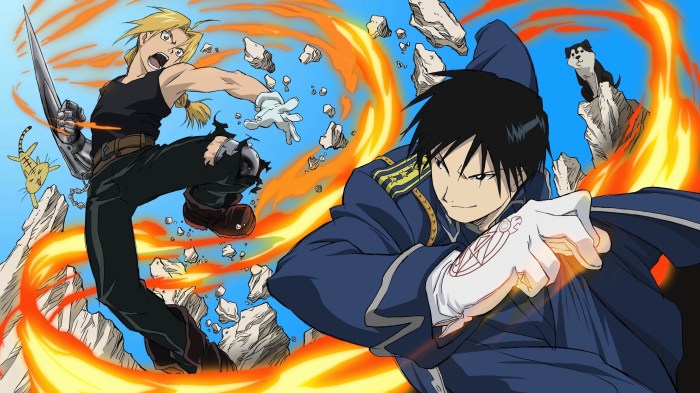
Combat anime thrives not only on compelling narratives and exciting action sequences but also on its artistic and technical prowess. The visual style and animation techniques employed in these shows contribute significantly to the overall impact and enjoyment of the viewing experience.
Visual Styles and Animation Techniques
Visual styles and animation techniques are integral to the aesthetic appeal and effectiveness of combat anime. Different studios and creators utilize diverse approaches to visually depict the action and character design, each contributing to the unique identity of the show.
- Anime Style:The core of combat anime’s visual aesthetic lies in its distinct anime style. This includes vibrant colors, expressive character designs, dynamic poses, and exaggerated movements.
- Traditional Animation:Many combat anime productions rely on traditional animation techniques, involving hand-drawn frames and meticulous attention to detail. This allows for fluid movement, precise timing, and the creation of dynamic action sequences.
- CGI:In recent years, CGI (Computer-Generated Imagery) has become increasingly prevalent in combat anime. This allows for the creation of elaborate environments, complex special effects, and dynamic fight choreography.
- 2D/3D Hybrid:Some productions utilize a hybrid approach, blending traditional 2D animation with CGI elements. This allows for a balance between the expressiveness of hand-drawn animation and the technical capabilities of CGI.
- Motion Capture:In certain instances, motion capture technology is employed to capture the movements of real actors and translate them into animated characters. This can enhance the realism and fluidity of fight scenes.
Renowned Studios and Their Contributions
Several studios have made significant contributions to the combat anime genre, establishing themselves as industry leaders with their distinct styles and innovative techniques.
- Studio Trigger:Known for its dynamic and energetic animation style, Studio Trigger has produced popular combat anime titles like “Kill la Kill” and “Little Witch Academia.”
- Ufotable:Ufotable is renowned for its high-quality animation, stunning visual effects, and cinematic presentation. Their work includes “Fate/Zero” and “Demon Slayer: Kimetsu no Yaiba.”
- MAPPA:MAPPA has emerged as a prominent studio in recent years, known for its ambitious projects and visually striking productions. Some of their notable works include “Attack on Titan” and “Jujutsu Kaisen.”
- Bones:Bones is a studio known for its strong character designs, fluid action sequences, and innovative storytelling. Their notable works include “Fullmetal Alchemist: Brotherhood” and “My Hero Academia.”
- Wit Studio:Wit Studio has produced visually impressive and emotionally resonant combat anime, including “Attack on Titan” (Seasons 1-3) and “The Ancient Magus’ Bride.”
Memorable Soundtracks and Their Impact
Music plays a crucial role in enhancing the impact of combat scenes in anime. Memorable soundtracks contribute to the emotional intensity, atmosphere, and overall enjoyment of the experience.
- “Gurenge” by LiSA (Demon Slayer: Kimetsu no Yaiba):This powerful and energetic song perfectly captures the intensity and determination of the characters’ battles.
- “Red Swan” by Yonezu Kenshi (Attack on Titan):This melancholic and epic track evokes the sense of despair and hope that permeates the series’ battles.
- “Unravel” by TK from Ling Tosite Sigure (Tokyo Ghoul):This haunting and atmospheric song sets the tone for the series’ dark and gritty world.
- “The Reluctant Heroes” by Hiroyuki Sawano (Attack on Titan):Sawano’s signature style, characterized by soaring melodies and powerful orchestral arrangements, elevates the emotional impact of the series’ battles.
- “Sora yori mo Tooi Basho” by Aimer (Sora yori mo Tooi Basho):This heartwarming and inspiring song captures the spirit of adventure and camaraderie that drives the characters forward.
Cultural Impact and Fandom
Combat anime has permeated popular culture, leaving an undeniable mark on entertainment and influencing various facets of society. Its impact extends beyond the realm of television and film, shaping the landscape of gaming, music, fashion, and even real-life martial arts.
Influence on Popular Culture
Combat anime has profoundly influenced popular culture, inspiring numerous adaptations and spin-offs. The genre’s influence is evident in:
- Gaming:Combat anime has served as a blueprint for countless video games, borrowing elements like character designs, combat systems, and storylines. Popular examples include the “Street Fighter” series, inspired by “Street Fighter II: The Animated Movie,” and “Mortal Kombat,” which draws heavily on the aesthetics of “Mortal Kombat: The Journey Begins.”
- Music:Combat anime soundtracks have become iconic, with their energetic and powerful themes finding a place in various genres. The music of “Dragon Ball Z” and “Naruto” has been sampled by numerous artists, while “Attack on Titan” has inspired countless remixes and covers.
- Fashion:The distinctive costumes and aesthetics of combat anime have infiltrated fashion trends, with fans adopting elements like signature hairstyles, clothing, and accessories. The popularity of “Naruto” has led to a surge in demand for ninja-inspired clothing, while “Attack on Titan” has sparked a trend for military-inspired apparel.
- Real-Life Martial Arts:Combat anime has fueled interest in real-life martial arts, with fans seeking to emulate the skills and techniques showcased in their favorite shows. “Dragon Ball Z” has inspired many to take up martial arts, particularly the popular styles of karate and taekwondo.
Fan Communities and Engagement
The passionate fan communities surrounding combat anime are a testament to its enduring appeal. These communities engage in a multitude of activities, fostering a vibrant and interconnected network.
- Cosplay:Fans often express their love for combat anime by creating elaborate costumes, replicating their favorite characters’ appearances. Cosplay conventions and events provide a platform for showcasing these creations and fostering a sense of community.
- Fan Art and Fanfiction:Fan art and fanfiction are prevalent forms of creative expression, with fans reimagining characters, storylines, and universes. These creations often showcase the artistic talent and dedication of the fan community.
- Online Forums and Social Media:Online platforms like Reddit, Discord, and Twitter serve as hubs for discussion, sharing, and community building. Fans engage in debates, share theories, and celebrate the latest releases.
- Conventions and Events:Dedicated anime conventions and events provide opportunities for fans to gather, participate in screenings, meet voice actors, and immerse themselves in the world of combat anime.
Evolution and Future of Combat Anime
Combat anime has evolved significantly since its inception, incorporating new technologies, storytelling techniques, and animation styles. The genre continues to adapt and innovate, exploring new themes and pushing the boundaries of visual storytelling.
- Technological Advancements:The advent of CGI and 3D animation has allowed for more dynamic and realistic combat sequences. The use of advanced technology has enhanced the visual spectacle of combat anime, creating immersive and visually stunning experiences.
- Diverse Storytelling:Combat anime is no longer confined to traditional tropes. Modern series explore complex themes, delve into character psychology, and offer nuanced narratives. The genre is embracing diversity, featuring characters from different backgrounds and cultures.
- Global Reach:The popularity of combat anime has expanded beyond Japan, with fans worldwide embracing the genre. This global reach has led to the creation of international collaborations and co-productions, fostering a more diverse and inclusive landscape.
- New Platforms and Distribution:The rise of streaming services has provided new avenues for distributing combat anime, making it more accessible to audiences around the world. Streaming platforms like Netflix, Crunchyroll, and Hulu have contributed to the genre’s continued growth.
Combat anime offers a thrilling journey into a world of action, strategy, and character growth. It explores the depths of human potential and the consequences of power, leaving viewers captivated by its dynamic battles, compelling narratives, and unforgettable characters. As the genre continues to evolve, its impact on popular culture and entertainment remains undeniable, captivating fans with its immersive storytelling and stunning visual artistry.
FAQ Compilation
What are some popular examples of combat anime?
Popular examples include Dragon Ball Z, Naruto, Attack on Titan, One Piece, and Sword Art Online.
What makes combat anime unique?
Combat anime is unique for its intricate fight choreography, diverse combat systems, and focus on character development through battles.
How does combat impact character development in anime?
Combat often forces characters to confront their weaknesses, overcome obstacles, and develop new skills, leading to significant personal growth.
