Fighter anime, a genre that has captivated audiences for decades, delivers thrilling action, compelling characters, and a deep dive into the world of martial arts. From classic series like “Fist of the North Star” to modern hits like “My Hero Academia,” fighter anime has consistently pushed the boundaries of animation and storytelling, exploring themes of perseverance, friendship, and the relentless pursuit of strength.
This genre’s enduring appeal lies in its ability to blend high-octane action with engaging narratives, resonating with viewers on a personal level. Whether it’s the underdog’s journey to overcome adversity or the epic battles between legendary fighters, fighter anime offers a unique blend of entertainment and emotional depth.
History of Fighter Anime
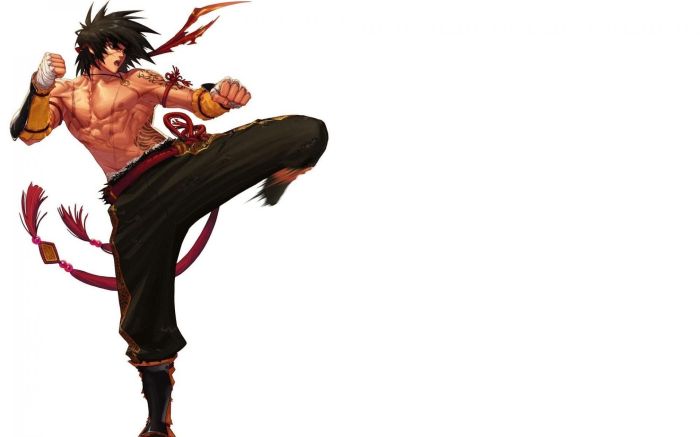
Fighter anime, a genre that captures the hearts of audiences with its exhilarating battles, complex characters, and inspiring stories, has a rich history dating back to the early days of Japanese animation. From its humble beginnings to its current evolution, fighter anime has become a cornerstone of the anime landscape, leaving an indelible mark on the industry and captivating generations of viewers.
Early Influences and Pioneers
The roots of fighter anime can be traced back to the 1960s, with the rise of science fiction and action-adventure themes in animation. These early works, while not strictly classified as fighter anime, laid the groundwork for the genre’s development.
Influential examples include “Astro Boy” (1963), which introduced the concept of a powerful, heroic robot fighting for justice, and “Kimba the White Lion” (1965), which showcased the dynamic action sequences and animal-themed characters that would become staples of the genre.
- “Astro Boy” (1963) is credited with introducing the concept of a powerful, heroic robot fighting for justice, a theme that would be further explored in later fighter anime series.
- “Kimba the White Lion” (1965) featured dynamic action sequences and animal-themed characters, setting the stage for the use of unique fighting styles and animal-inspired abilities in later works.
The Emergence of Fighter Anime
The 1970s saw the emergence of true fighter anime, with series like “Mazinger Z” (1972) and “Getter Robo” (1974) establishing the genre’s core elements. These shows featured giant robots battling monstrous foes, showcasing epic battles and introducing the concept of mecha, a key element of fighter anime.
The focus on action and spectacle, combined with themes of heroism and overcoming adversity, resonated with audiences, cementing fighter anime’s place in the Japanese animation scene.
- “Mazinger Z” (1972) introduced the concept of mecha, giant robots controlled by humans, and established the genre’s focus on epic battles and heroic characters.
- “Getter Robo” (1974) expanded on the mecha concept, featuring robots that could combine into a more powerful form, adding another layer of complexity to the battles.
The Evolution of Fighter Anime
Over the decades, fighter anime has evolved significantly, incorporating new themes, styles, and storytelling techniques. The 1980s saw the rise of more complex narratives and character development, with series like “Fist of the North Star” (1984) and “City Hunter” (1987) exploring themes of survival, redemption, and personal growth amidst intense action.
The 1990s witnessed the emergence of more mature and introspective works, such as “Neon Genesis Evangelion” (1995), which delved into psychological themes and explored the emotional complexities of its characters.
- “Fist of the North Star” (1984) introduced a more complex narrative, exploring themes of survival and redemption in a post-apocalyptic world.
- “City Hunter” (1987) featured a charismatic protagonist with a complex moral code, showcasing the genre’s ability to portray nuanced characters.
- “Neon Genesis Evangelion” (1995) explored psychological themes and the emotional complexities of its characters, pushing the boundaries of fighter anime.
Popular Fighter Anime Series
The world of fighter anime is brimming with captivating stories, iconic characters, and breathtaking action sequences. These series have captivated audiences worldwide, leaving a lasting impact on popular culture.
Reasons for Popularity
The enduring popularity of fighter anime can be attributed to a confluence of factors, including:
- Engaging Characters:Fighter anime often feature compelling characters with distinct personalities, motivations, and backstories. These characters resonate with viewers, allowing them to connect with their struggles and triumphs. For instance, Goku from -Dragon Ball* is known for his unwavering optimism and determination, while Naruto Uzumaki from -Naruto* embodies the themes of perseverance and self-belief.
These characters inspire viewers to strive for their own goals and overcome challenges.
- Intense Action:The adrenaline-pumping fight scenes are a cornerstone of fighter anime. The animation style often incorporates exaggerated movements, dynamic camera angles, and impressive special effects, creating a visually stunning experience that keeps viewers on the edge of their seats. These action sequences showcase the characters’ abilities, highlight the stakes of their battles, and provide a visceral sense of excitement.
- Compelling Plots:The narratives in fighter anime are typically engaging and thought-provoking, often exploring themes of friendship, rivalry, redemption, and the pursuit of strength. The stories often involve complex characters, intricate relationships, and unexpected twists and turns, keeping viewers invested in the outcome of the battles.
The plot of -One Piece*, for example, is an epic adventure filled with humor, heart, and suspense, as Monkey D. Luffy and his crew journey to find the legendary treasure known as “One Piece.”
- Themes of Determination and Self-Improvement:Many fighter anime series emphasize the importance of hard work, dedication, and overcoming adversity. The characters often undergo rigorous training, push themselves beyond their limits, and learn valuable lessons along the way. These themes resonate with viewers, inspiring them to persevere in their own endeavors and strive for personal growth.
Cultural Impact
Fighter anime has had a profound cultural impact, influencing various aspects of society, including:
- Gaming:The popularity of fighter anime has led to the development of numerous video games based on these series. These games allow fans to experience the action and characters firsthand, further expanding the franchise’s reach. Examples include the -Dragon Ball Z* fighting games, which have been consistently popular since the 1990s, and the -Naruto Shippuden: Ultimate Ninja Storm* series, which has captured the essence of the anime’s fast-paced combat.
- Fashion:The distinctive costumes and accessories worn by characters in fighter anime have inspired fashion trends, particularly among fans. The iconic orange jumpsuit worn by Goku, the black and red attire of Naruto, and the vibrant outfits of the -One Piece* characters have all been replicated and adapted by fans, showcasing the influence of these series on fashion choices.
- Music:The soundtracks of fighter anime are often memorable and impactful, featuring catchy themes and epic orchestral scores. These soundtracks have become popular among fans, with many tracks being used in various media and even performed live at concerts. The opening theme song for -Dragon Ball Z*, “Cha-La Head-Cha-La,” is a prime example of a song that has become synonymous with the franchise and is recognized by fans worldwide.
Types of Fighters in Anime: Fighter Anime
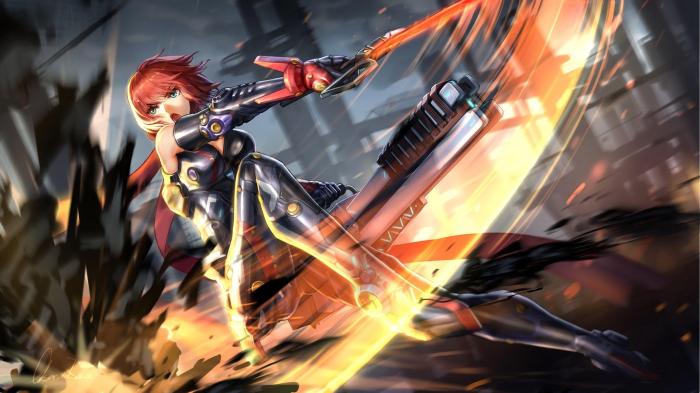
Anime has captivated audiences worldwide with its diverse cast of characters, and among them, fighters hold a special place. From martial artists to supernatural beings, anime fighters showcase a wide range of abilities and fighting styles. These characters often embody different philosophies, motivations, and strengths, adding depth and complexity to their battles.
This section will explore the various types of fighters found in anime, highlighting their unique characteristics and providing examples of iconic characters.
Martial Artists
Martial artists are a staple in anime, known for their mastery of various fighting styles and techniques. They rely on physical strength, agility, and precision to overcome their opponents. Martial artists often train rigorously to perfect their skills, and their battles are characterized by fluid movements, powerful strikes, and strategic maneuvering.
- Traditional Martial Arts:This category includes fighters who specialize in traditional fighting styles like karate, judo, aikido, and kung fu. They emphasize discipline, technique, and control in their combat.
- Goku (Dragon Ball):A legendary martial artist, Goku embodies the spirit of constant training and pushing one’s limits.
His mastery of martial arts, combined with his unwavering determination, makes him a formidable opponent.
- Rock Lee (Naruto):Known for his dedication to taijutsu (martial arts), Rock Lee is a powerful fighter who relies on speed and agility to compensate for his lack of chakra. His fighting style is characterized by explosive movements and relentless attacks.
- Goku (Dragon Ball):A legendary martial artist, Goku embodies the spirit of constant training and pushing one’s limits.
- Modern Martial Arts:This category includes fighters who incorporate modern techniques and fighting styles, often blending elements from different martial arts. They prioritize practicality and effectiveness in combat.
- Kenshiro (Fist of the North Star):A master of Hokuto Shinken, a deadly martial art, Kenshiro possesses incredible strength and speed.
He uses his martial arts skills to protect the innocent and fight against injustice.
- Jin Kazama (Tekken):A master of Kazama Style Traditional Martial Arts, Jin Kazama is a skilled fighter with a strong sense of justice. He uses his martial arts skills to protect his loved ones and fight against evil.
- Kenshiro (Fist of the North Star):A master of Hokuto Shinken, a deadly martial art, Kenshiro possesses incredible strength and speed.
Martial artists in anime represent the power of human potential and the dedication required to achieve mastery. Their battles are often thrilling and visually impressive, showcasing the beauty and effectiveness of martial arts.
Sword Fighters
Sword fighters are another popular type of fighter in anime, wielding blades of various shapes and sizes. Their combat is characterized by precision, speed, and elegance. Sword fighters often possess a deep understanding of swordsmanship, and their battles can be both graceful and deadly.
- Samurai:Samurai are legendary warriors known for their loyalty, honor, and mastery of the katana. They often follow a strict code of conduct and are highly skilled in swordsmanship.
- Rurouni Kenshin (Rurouni Kenshin):A former assassin known as “Hitokiri Battousai,” Kenshin has renounced violence and uses his swordsmanship to protect the weak.
He is a master of the katana, known for his speed and precision.
- Guts (Berserk):A fierce and powerful warrior, Guts wields a massive sword known as the Dragonslayer. He is a master swordsman with a dark past and a relentless determination to survive.
- Rurouni Kenshin (Rurouni Kenshin):A former assassin known as “Hitokiri Battousai,” Kenshin has renounced violence and uses his swordsmanship to protect the weak.
- Fantasy Sword Fighters:These fighters wield magical swords or possess unique abilities that enhance their swordsmanship. They often engage in epic battles against powerful foes.
- Kirito (Sword Art Online):A skilled swordsman in the virtual world of Sword Art Online, Kirito is known for his quick reflexes and strategic thinking.
Find more by exploring one piece live action posters further.
He uses his dual-bladed swords to overcome challenges and protect his friends.
- Cloud Strife (Final Fantasy VII):A former SOLDIER, Cloud Strife wields a massive Buster Sword. He is a skilled swordsman with a complex past and a strong sense of justice.
- Kirito (Sword Art Online):A skilled swordsman in the virtual world of Sword Art Online, Kirito is known for his quick reflexes and strategic thinking.
Sword fighters in anime often embody themes of honor, duty, and the power of the blade. Their battles are visually captivating, showcasing the elegance and deadly potential of swordsmanship.
Supernatural Fighters, Fighter anime
Supernatural fighters are characters who possess extraordinary abilities beyond the realm of human capabilities. They often draw power from magical sources, divine beings, or mystical artifacts. These fighters are often powerful and capable of feats that defy logic, making their battles epic and unpredictable.
- Magic Users:Magic users draw power from various sources, such as spells, incantations, or artifacts. They use their magic to create powerful attacks, manipulate the environment, or enhance their physical abilities.
- Erza Scarlet (Fairy Tail):A powerful mage known for her vast arsenal of magical armor and weapons, Erza Scarlet is a skilled fighter who can adapt to any situation.
She is a master of various magic types, including sword magic and requip magic.
- Saitama (One Punch Man):A superhero who can defeat any opponent with a single punch, Saitama is a mysterious figure with immense power. While his fighting style appears simple, his strength is unparalleled.
- Erza Scarlet (Fairy Tail):A powerful mage known for her vast arsenal of magical armor and weapons, Erza Scarlet is a skilled fighter who can adapt to any situation.
- Demonic Fighters:These fighters possess supernatural abilities derived from demonic sources. They often have enhanced strength, speed, and durability, as well as access to dark magic.
- Tanjiro Kamado (Demon Slayer):A young demon slayer who wields a Nichirin blade, Tanjiro Kamado fights against demons with unwavering determination.
He uses his swordsmanship and special abilities to protect his sister and defeat evil.
- Alucard (Hellsing):A powerful vampire who serves the Hellsing Organization, Alucard is a skilled fighter with immense power. He possesses supernatural abilities, including shapeshifting, superhuman strength, and immortality.
- Tanjiro Kamado (Demon Slayer):A young demon slayer who wields a Nichirin blade, Tanjiro Kamado fights against demons with unwavering determination.
Supernatural fighters in anime often represent the clash between good and evil, the power of belief, and the potential for both destruction and creation. Their battles are often spectacular and visually stunning, showcasing the awe-inspiring power of the supernatural.
Other Types of Fighters
In addition to these common types of fighters, anime features a diverse range of other combat styles and abilities.
- Technologically Enhanced Fighters:These fighters rely on advanced technology to enhance their abilities, such as powered armor, cybernetic implants, or specialized weapons.
- Gundam Pilots (Mobile Suit Gundam):Pilots of giant robots known as Gundams, these characters engage in intense battles using advanced weaponry and technology. Their battles often involve strategic thinking, tactical maneuvering, and the use of powerful weapons.
Find out how mai avatar netflix has changed ways in this topic.
- Genos (One Punch Man):A cyborg who seeks to become a powerful hero, Genos has enhanced strength, speed, and durability. He uses his technology to fight against monsters and protect humanity.
- Gundam Pilots (Mobile Suit Gundam):Pilots of giant robots known as Gundams, these characters engage in intense battles using advanced weaponry and technology. Their battles often involve strategic thinking, tactical maneuvering, and the use of powerful weapons.
- Animalistic Fighters:These fighters possess animalistic abilities, such as enhanced senses, speed, or strength. They often have a close connection with nature or are able to transform into animal forms.
- Inuyasha (Inuyasha):A half-demon with superhuman strength and agility, Inuyasha uses his sword Tessaiga and his demonic abilities to fight against demons and protect the world.
- Luffy (One Piece):The captain of the Straw Hat Pirates, Luffy is a rubber man with incredible strength and elasticity. He uses his abilities to fight against powerful enemies and achieve his dream of becoming the Pirate King.
Themes and Tropes in Fighter Anime
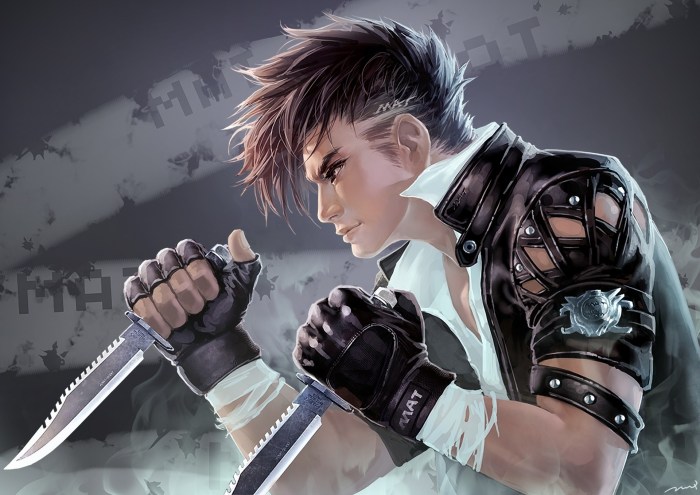
Fighter anime, a genre characterized by intense battles and powerful characters, delves into themes that resonate deeply with viewers. These themes, often intertwined with recurring tropes, create a compelling narrative that captures the imagination and inspires audiences.
Themes in Fighter Anime
Themes in fighter anime often explore universal human experiences and values, providing viewers with relatable characters and situations.
- Determination and Perseverance:The protagonists in fighter anime often face insurmountable challenges and setbacks. Their unwavering determination and perseverance in the face of adversity serve as a source of inspiration for viewers, demonstrating the power of resilience and the importance of never giving up.
Don’t miss dig into the latest facts about ad astra abyssosque.
- Friendship and Camaraderie:Fighter anime frequently features strong bonds of friendship and camaraderie between characters. These relationships provide support, motivation, and a sense of belonging, highlighting the importance of teamwork and the power of human connection.
- Overcoming Adversity:The protagonists in fighter anime are often tested by difficult circumstances, such as personal loss, betrayal, or the threat of destruction. Their journeys to overcome these obstacles showcase the human capacity for resilience, growth, and self-discovery.
- Self-Improvement and Growth:Fighter anime often portrays characters undergoing intense training and personal development. This journey of self-improvement emphasizes the importance of dedication, hard work, and pushing oneself beyond perceived limits.
Recurring Tropes in Fighter Anime
Tropes, or recurring elements, contribute to the recognizable and engaging nature of fighter anime.
- Rivalries:Rivalries are a common trope in fighter anime, often serving as a catalyst for character growth and development. These rivalries can be driven by personal ambition, ideological differences, or a desire to prove oneself.
- Training Montages:Training montages are a staple of fighter anime, showcasing the rigorous training regimens that characters undergo to enhance their skills and abilities. These montages often depict intense physical and mental challenges, emphasizing the dedication and sacrifice required to achieve greatness.
- Power-Ups:Power-ups are a recurring element in fighter anime, allowing characters to gain new abilities or enhance existing ones. These power-ups can be obtained through training, acquiring new techniques, or unlocking latent potential.
The Appeal of Themes and Tropes in Fighter Anime
Themes and tropes in fighter anime contribute to its enduring appeal.
- Relatability:Themes such as determination, friendship, and overcoming adversity resonate with viewers on a personal level, making the characters and their struggles relatable.
- Escapism:Fighter anime provides an escape from everyday life, allowing viewers to immerse themselves in fantastical worlds and thrilling battles.
- Inspiration:The characters’ journeys of self-improvement and their unwavering determination inspire viewers to strive for their own goals and overcome obstacles.
- Entertainment:The action-packed battles, exciting power-ups, and dramatic rivalries provide a high level of entertainment for viewers.
Fighter Anime and Martial Arts
Fighter anime has a deep connection with real-world martial arts, drawing inspiration from their techniques, philosophies, and aesthetics. This connection adds depth and realism to the action, making it more engaging and relatable for viewers.
Influence of Real-World Martial Arts
The influence of real-world martial arts on fighter anime is undeniable. Anime creators often research and incorporate techniques from various martial arts styles, such as:
- Boxing: Techniques like jabs, hooks, and uppercuts are often seen in anime, especially in series focusing on hand-to-hand combat. Hajime no Ippois a prime example, showcasing the intense training and strategies of boxing.
- Judo: The emphasis on throws and grappling in judo is frequently portrayed in anime. Naruto, for instance, features characters like Gaara who utilize judo-inspired techniques for their attacks.
- Karate: The use of strikes, kicks, and blocks from karate is prevalent in many anime series. Dragon Ball Zis a popular example, with characters like Goku using karate-inspired moves like the Kamehameha.
- Kung Fu: The fluidity and agility of kung fu are often highlighted in anime. Rurouni Kenshinis a notable example, featuring a protagonist who uses a variety of kung fu techniques.
- Taekwondo: The emphasis on high kicks and powerful strikes in taekwondo is seen in many anime series. One Piecefeatures characters like Sanji who utilize taekwondo-inspired techniques for their attacks.
Incorporation of Martial Arts Techniques and Styles
Anime creators go beyond simply borrowing techniques. They often adapt and embellish them, creating unique and visually stunning moves. For instance:
- Superpowers and Energy Manipulation: Anime often combines martial arts with supernatural abilities, creating a more fantastical fighting style. Dragon Ball Zis a classic example, where characters like Goku utilize ki blasts and energy manipulation alongside their martial arts skills.
- Exaggerated Movements and Special Effects: Anime often exaggerates the movements and techniques of real-world martial arts, adding visual flair and impact to the action. This can be seen in My Hero Academia, where characters with superpowers use their abilities in conjunction with martial arts techniques.
- Character Design and Fighting Styles: Anime characters often have unique designs and fighting styles that reflect their personalities and backgrounds. Naruto, for instance, features characters with distinct abilities and fighting styles, each inspired by different martial arts techniques.
Portrayal of Martial Arts in Anime
While anime draws inspiration from real-world martial arts, it often presents a more exaggerated and stylized version. This can be seen in:
- Emphasis on Visual Spectacle: Anime often prioritizes visual spectacle and entertainment over strict adherence to real-world martial arts techniques. This can lead to unrealistic feats of strength and agility, but it also contributes to the excitement and entertainment value of the genre.
- Emphasis on Storytelling and Character Development: Anime often uses martial arts as a vehicle for storytelling and character development, rather than as a purely technical discipline. This can be seen in Hajime no Ippo, where the focus is on the protagonist’s journey and growth as a boxer.
- Use of Artistic License: Anime creators often take liberties with real-world martial arts techniques, adapting them to fit the needs of the story and characters. This can be seen in One Piece, where characters like Luffy use a variety of martial arts techniques in conjunction with his rubber-like powers.
The Appeal of Fighter Anime
Fighter anime has captivated audiences for decades, captivating them with its thrilling action, compelling characters, and exploration of themes that resonate deeply with viewers. The genre’s enduring popularity can be attributed to its ability to tap into a wide range of human emotions and desires, offering an escape into a world of adrenaline-pumping battles and inspiring journeys of self-discovery.
Emotional Impact of Fighter Anime
Fighter anime effectively utilizes a variety of elements to create a powerful emotional impact on viewers. Character development is a key driver of emotional engagement, as audiences invest in the journeys of the protagonists, experiencing their triumphs and struggles alongside them.
The genre excels at showcasing the growth and transformation of its characters, highlighting their dedication, resilience, and unwavering spirit.
“Fighter anime often portrays characters who overcome adversity, pushing their limits and achieving extraordinary feats. This resonates with viewers who seek inspiration and motivation in their own lives.”
Fighter Anime’s Resonance with Viewers
Fighter anime resonates with viewers on a personal level by tapping into universal themes and emotions. The genre explores the human experience of overcoming challenges, striving for excellence, and forging meaningful connections with others. These themes, combined with the exciting action sequences and compelling character development, create a powerful emotional experience that leaves a lasting impact on viewers.
- Sense of Empowerment:Fighter anime often features protagonists who are underdogs, overcoming seemingly insurmountable obstacles through determination and skill. This resonates with viewers who may be facing their own challenges, offering a sense of empowerment and inspiration.
- Emotional Release:The adrenaline-fueled action sequences provide an outlet for viewers to release pent-up emotions, offering a cathartic experience that can be both exhilarating and emotionally satisfying.
- Connection with Characters:The complex and relatable characters in fighter anime allow viewers to connect with their struggles and triumphs, fostering a sense of empathy and understanding.
Fighter Anime and Modern Culture
Fighter anime has transcended its origins as a niche genre to become a significant force in modern culture, leaving a lasting impact on various aspects of entertainment, fashion, and even real-world martial arts. Its global appeal has fostered cultural exchange, and its continuous evolution reflects changing trends in the entertainment landscape.
The Influence of Fighter Anime on Modern Culture
Fighter anime has significantly influenced other forms of entertainment, fashion, and real-world martial arts.
- Impact on Other Forms of Entertainment: The action-packed sequences, dynamic characters, and compelling storylines of fighter anime have inspired numerous adaptations in other media, including live-action films, video games, and even musical performances. For instance, the “Dragon Ball” franchise has spawned countless video games, live-action films, and even a Broadway musical, showcasing the enduring influence of fighter anime on other forms of entertainment.
- Impact on Fashion: The distinctive clothing and accessories worn by characters in fighter anime, such as the iconic gi worn by martial artists, have become popular fashion choices among fans. This has led to the emergence of a dedicated market for fighter anime-inspired clothing and accessories, ranging from casual streetwear to cosplay outfits.
For example, the popularity of the “Naruto” franchise has resulted in a wide range of merchandise, including clothing, accessories, and even footwear, featuring the series’ signature characters and designs.
- Impact on Real-World Martial Arts: Fighter anime has played a role in popularizing real-world martial arts, inspiring individuals to pursue training in various disciplines, including karate, taekwondo, and judo. The depiction of martial arts in anime often emphasizes the discipline, dedication, and physical prowess required, attracting viewers to explore these disciplines in real life.
For example, the popularity of the “Street Fighter” series has led to increased interest in real-world martial arts, particularly those featured in the game, such as boxing, wrestling, and karate.
The Global Appeal of Fighter Anime
Fighter anime has garnered a global following, transcending geographical boundaries and cultural differences.
- Promotion of Cultural Exchange: The widespread popularity of fighter anime has fostered cultural exchange, promoting understanding and appreciation for different cultures and martial arts traditions. The series often feature characters from diverse backgrounds, showcasing various cultures and martial arts styles, thereby bridging cultural gaps and fostering global connections.
For example, the “Hajime no Ippo” series, which focuses on boxing, has introduced viewers to the sport’s history and culture, particularly in Japan, where it originated.
- Universal Themes and Values: The themes of perseverance, determination, and self-improvement, prevalent in fighter anime, resonate with audiences worldwide, transcending cultural differences. These universal themes, coupled with the exciting action sequences and engaging storylines, contribute to the genre’s global appeal. For example, the “One Piece” series, which follows the adventures of a group of pirates, has captivated audiences worldwide with its themes of friendship, courage, and the pursuit of dreams.
Fighter Anime and Modern Trends
Fighter anime continues to evolve, adapting to changing trends in the entertainment industry.
- Integration of Technology: The increasing availability of advanced animation techniques and computer-generated imagery (CGI) has allowed creators to push the boundaries of visual storytelling, resulting in more realistic and visually stunning action sequences. This has enabled them to create more dynamic and immersive experiences for viewers, further enhancing the appeal of the genre.
For example, the “My Hero Academia” series utilizes CGI to create realistic and visually stunning action sequences, showcasing the power and abilities of the characters in a visually engaging manner.
- Emphasis on Character Development: Modern fighter anime often places greater emphasis on character development, exploring the motivations, struggles, and personal growth of the characters. This has allowed for more complex and nuanced storytelling, appealing to a wider audience. For example, the “Mob Psycho 100” series delves into the psychological struggles and personal growth of the protagonist, showcasing the importance of emotional intelligence and self-acceptance.
- Experimentation with Subgenres: Fighter anime has expanded beyond its traditional format, incorporating elements of other genres, such as science fiction, fantasy, and even comedy. This experimentation has resulted in a more diverse and engaging range of narratives, attracting a broader audience. For example, the “Gurren Lagann” series combines elements of mecha anime with a story of rebellion and hope, offering a unique and engaging experience for viewers.
From the early days of “Astro Boy” to the modern era of “Demon Slayer,” fighter anime has evolved into a global phenomenon, influencing not just other forms of entertainment but also real-world martial arts practices. With its focus on character development, action-packed sequences, and relatable themes, fighter anime continues to captivate audiences worldwide, proving its enduring power and influence.
Top FAQs
What are some of the most popular fighter anime series?
Some of the most popular fighter anime series include “Dragon Ball Z,” “Naruto,” “One Piece,” “Bleach,” and “My Hero Academia.” These series have achieved global recognition for their engaging storylines, iconic characters, and breathtaking animation.
What are some of the key themes explored in fighter anime?
Common themes explored in fighter anime include perseverance, determination, friendship, overcoming adversity, and the pursuit of strength. These themes resonate with viewers on a personal level, offering inspiration and motivation.
How does fighter anime influence real-world martial arts?
Fighter anime has had a significant influence on real-world martial arts, inspiring individuals to take up different styles and promoting interest in the discipline. The genre’s portrayal of martial arts techniques, while often exaggerated for dramatic effect, has helped to popularize these practices.
