Ghosts Face, a chilling concept that has captivated humanity for centuries, transcends mere folklore and delves into the depths of our collective psyche. From ancient myths to modern horror films, the visage of a ghost, particularly its face, holds a unique power to evoke fear, fascination, and a profound sense of the unknown.
The way we perceive and interpret ghost faces is intricately woven with cultural beliefs, historical context, and individual experiences. This exploration dives into the evolution of ghost faces, their symbolic significance, and the psychological impact they have on our perceptions and emotions.
The Concept of Ghosts
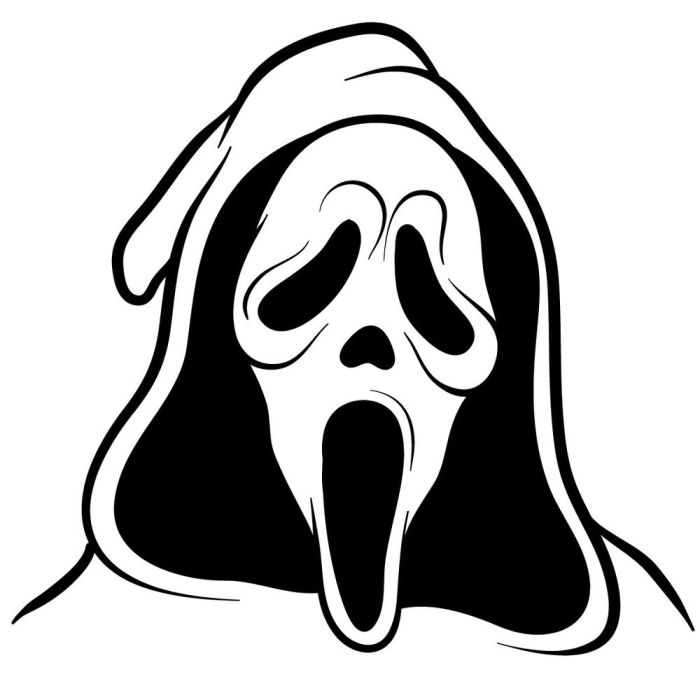
The concept of ghosts has permeated human cultures for millennia, with beliefs and interpretations varying across societies and historical periods. Ghosts are generally understood as the spirits or apparitions of deceased individuals, often believed to linger in the earthly realm for various reasons.
This enduring fascination with the spectral realm reflects a deep-seated human interest in the afterlife and the nature of existence beyond physical death.
Historical and Cultural Beliefs Surrounding Ghosts, Ghosts face
Beliefs in ghosts have existed across diverse cultures and throughout history. Ancient civilizations, such as the Egyptians and Greeks, held complex beliefs about the afterlife and the possibility of spirits remaining in the earthly realm. The ancient Egyptians, for instance, believed that the soul (ka) could remain attached to the body after death, and rituals were performed to ensure a smooth transition to the afterlife.
In ancient Greece, the concept of phantoms (eidolon) emerged, referring to ghostly apparitions that were believed to be the spectral reflections of the deceased.
Types of Ghosts and Their Associated Characteristics
While the concept of ghosts is generally understood, there are various types of ghosts, each with its own set of characteristics and motivations. Some common types of ghosts include:
- Residual Ghosts:These ghosts are often associated with specific locations or events and are believed to be recordings of past energy or emotions. They tend to repeat actions or exhibit behaviors that were common in their lifetime, often without awareness of their surroundings.
Explore the various factors of solo leveling season 2 release date to gain a more in-depth understanding.
- Intelligent Ghosts:Intelligent ghosts are believed to be conscious and aware of their surroundings. They may interact with the living, communicate through various means, and exhibit a range of emotions. They are often described as having a purpose or agenda in the earthly realm.
- Earthbound Spirits:Earthbound spirits are believed to be trapped in the earthly realm due to unresolved issues or unfinished business. They may be seeking closure, justice, or reconciliation. These spirits often manifest as feelings of unease, cold spots, or other unexplained phenomena.
Common Myths and Legends Associated with Ghosts
Throughout history, numerous myths and legends have emerged surrounding ghosts. These stories often reflect cultural anxieties and beliefs about the afterlife, mortality, and the unknown. Some common myths associated with ghosts include:
- Poltergeists:These are mischievous spirits that are believed to cause physical disturbances, such as moving objects, making noises, or even causing harm. Poltergeist activity is often associated with young people, particularly teenagers, and is believed to be a manifestation of pent-up energy or emotions.
- Haunted Houses:The concept of haunted houses is a popular theme in folklore and literature. These dwellings are believed to be inhabited by ghosts who may have met their demise in the house or have a connection to the property. Haunted houses often feature unexplained noises, cold spots, or the presence of shadowy figures.
- Ghostly Apparitions:Many ghost stories involve the appearance of ghostly apparitions, often in the form of the deceased person’s former self. These apparitions may be seen as transparent figures, shadows, or even full-bodied manifestations. They may appear in various locations, including homes, graveyards, and even public places.
The Significance of Faces in Ghostlore
Faces are a fundamental aspect of human communication, conveying a wide range of emotions and intentions. In ghostlore, the face plays a crucial role in shaping our understanding of the spectral realm and the nature of ghosts themselves. The depiction of facial expressions in ghost stories helps us to grasp the emotional states and motivations of these ethereal beings, adding depth and complexity to their narratives.
The Role of Faces in Conveying Emotions and Intentions
The face is a powerful tool for communicating emotions, and this principle extends to the realm of ghostlore. The way a ghost’s face is depicted can reveal its emotional state, its intentions, and even its relationship to the living. For instance, a ghost with a contorted, anguished expression might be interpreted as a vengeful spirit seeking retribution, while a ghost with a serene, peaceful face could be perceived as a benevolent entity offering comfort or guidance.
Depiction of Fear, Sadness, Anger, and Other Emotions in Ghost Stories
Ghost stories often employ facial expressions to evoke specific emotions in the reader or listener. A ghost with a ghastly, distorted face can instill fear and dread, while a ghost with a sorrowful expression might evoke sympathy or pity. The use of facial expressions in ghost stories can also serve to create a sense of suspense or intrigue, leaving the reader or listener to ponder the true nature of the ghost’s emotions.
Different Depictions of Facial Expressions in Various Cultures
Across different cultures, the depiction of facial expressions in ghost stories varies significantly. For example, in Japanese folklore, ghosts are often depicted with elongated faces, sharp teeth, and wild, unkempt hair, reflecting a sense of otherworldly fear and danger. In contrast, in Western ghost stories, ghosts are often depicted with pale, translucent faces, conveying a sense of sadness, longing, or regret.
These cultural variations highlight the diverse ways in which societies interpret and represent the spectral realm.
In this context, you’ll find that luffy mom is very informative.
The Visual Representation of Ghost Faces
The visual representation of ghost faces is a fascinating area of study, exploring how artists, writers, and filmmakers have captured the ethereal and often terrifying nature of these spectral beings. From the classic white sheet to the more elaborate and chilling depictions, the visual representation of ghost faces has evolved over time, reflecting cultural beliefs and anxieties.
Styles of Ghost Faces in Art, Literature, and Film
The representation of ghost faces varies significantly across different art forms and historical periods. Here is a table illustrating the styles of ghost faces in art, literature, and film:
| Style | Description | Examples |
|---|---|---|
| Classic Ghost Sheet | A simple, iconic representation of a ghost, typically depicted as a white sheet with eyeholes cut out. | The classic “ghost” costume often seen at Halloween. |
| Spectral and Ethereal | Ghost faces are depicted as translucent or semi-transparent, often with a faint glow or a shimmering appearance. | The ghost of Hamlet’s father in Shakespeare’s play, “Hamlet.” |
| Grim Reaper | A skeletal figure with a hooded cloak and a scythe, often representing death or the afterlife. | The Grim Reaper in various works of art, literature, and film, such as the “Death” character in “The Seventh Seal” by Ingmar Bergman. |
| Malevolent and Demonic | Ghost faces are depicted as grotesque, distorted, or monstrous, emphasizing their malevolent nature. | The ghost of Samara Morgan in the horror film “The Ring.” |
| Tragic and Sorrowful | Ghost faces are portrayed with expressions of sadness, longing, or regret, reflecting their unfinished business or unresolved conflicts. | The ghost of Ebenezer Scrooge in Charles Dickens’ “A Christmas Carol.” |
The Impact of Lighting and Shadow on the Perception of a Ghost Face
Lighting and shadow play a crucial role in creating the unsettling and eerie atmosphere associated with ghost faces. The use of dim lighting, flickering shadows, and strategically placed light sources can enhance the visual impact of a ghost face, making it appear more ethereal, mysterious, and frightening.
“The play of light and shadow is a powerful tool for creating an atmosphere of suspense and dread, making the ghost face seem more real and menacing.”
The use of chiaroscuro, a technique that emphasizes the contrast between light and dark areas, can create a dramatic and unsettling effect, making the ghost face appear more menacing and mysterious. This technique is often used in horror films and literature to heighten the sense of fear and unease.
The Psychological Impact of Ghost Faces
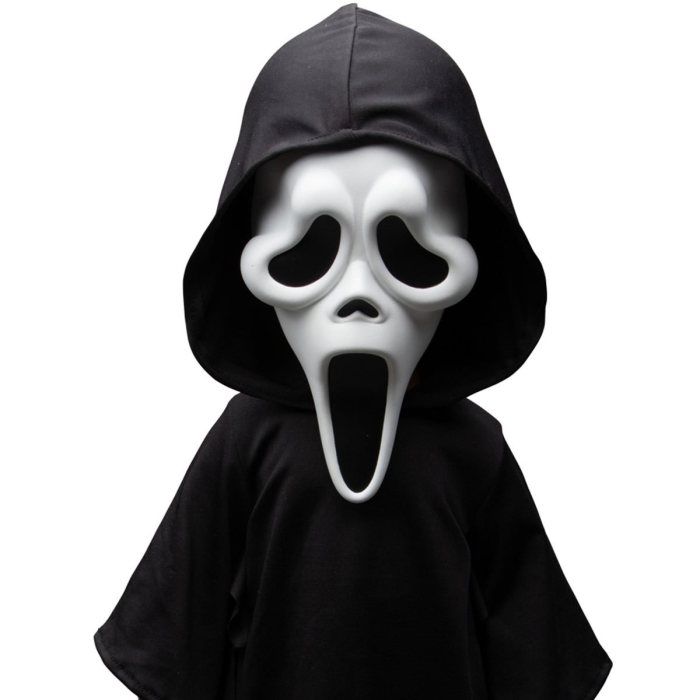
The eerie visage of a ghost, often characterized by its spectral pallor and unsettling features, can profoundly impact our psychology, triggering a range of emotional and behavioral responses. Understanding the psychological mechanisms behind these reactions provides insights into the enduring power of ghostlore and the primal fear it evokes.
Visual Stimuli and Cognitive Biases
Our visual system plays a crucial role in shaping our perception of ghost faces. The human brain is adept at recognizing faces, and even fleeting glimpses of unfamiliar or distorted features can trigger an alarm response. This is particularly true when these faces appear in contexts associated with the supernatural, such as dimly lit graveyards or abandoned buildings.
Cognitive biases, such as confirmation bias, can further amplify these perceptions. For instance, if we are predisposed to believe in ghosts, we are more likely to interpret ambiguous visual stimuli as evidence of their presence.
Fear and Discomfort
The fear and discomfort associated with encountering a ghost face are rooted in our evolutionary history. As social creatures, humans have evolved to be highly sensitive to facial expressions, particularly those associated with threat or danger. Ghost faces, often depicted with vacant eyes, contorted features, and a lack of warmth, trigger these primal fears.
The ambiguity and unpredictability of these faces further enhance their unsettling nature, as we are unable to decipher their intentions or motivations.
In this context, you’ll find that solo levelling anime release date is very informative.
Effects on Human Behavior and Emotions
Encountering a ghost face can have a profound impact on human behavior and emotions. The immediate response is often one of fear, accompanied by physiological changes such as increased heart rate, sweating, and rapid breathing. In some cases, individuals may experience a sense of paralysis or freeze in response to the perceived threat.
The emotional impact can be long-lasting, leading to anxiety, paranoia, and even post-traumatic stress disorder (PTSD). These experiences can also lead to avoidance behaviors, such as refusing to enter certain places or engage in activities that might trigger memories of the encounter.
Ghost Faces in Popular Culture

The depiction of ghost faces in popular culture has evolved significantly over time, reflecting societal anxieties, cultural beliefs, and the ever-changing nature of storytelling. From classic literature to contemporary horror films, ghost faces have become a powerful and enduring symbol in our collective imagination, shaping our understanding of the supernatural and our own mortality.
Recurring Themes and Symbolism
Ghost faces in popular culture often serve as a visual representation of the unknown, the uncanny, and the fear of the afterlife. These depictions are frequently infused with symbolic meaning, reflecting deeper anxieties and societal concerns.
- Fear of the Unknown:Ghost faces often represent the fear of the unknown and the uncertainty of what lies beyond death. The obscured or distorted features of a ghost face can symbolize the lack of control and understanding we have over the afterlife.
- Loss and Grief:Ghost faces can also symbolize loss and grief, reflecting the pain and sorrow associated with the death of a loved one. The sorrowful expression or the haunting presence of a ghost face can evoke feelings of sadness and longing.
- The Supernatural:Ghost faces serve as a visual manifestation of the supernatural, reminding us of the possibility of otherworldly forces and the fragility of the boundaries between the living and the dead.
The Cultural Impact of Ghost Faces
Ghost faces have had a profound impact on society and the collective imagination, influencing our understanding of death, the afterlife, and the nature of reality itself.
- Fear and Fascination:Ghost faces have both fascinated and frightened us, fueling our fascination with the supernatural and our fear of the unknown. This duality has led to the creation of numerous works of fiction, art, and entertainment that explore the themes of death, the afterlife, and the paranormal.
- Cultural Beliefs:The depiction of ghost faces in popular culture often reflects prevailing cultural beliefs and anxieties. For example, the depiction of vengeful spirits in traditional ghost stories often reflects cultural beliefs about the importance of honoring the dead and the consequences of wrongdoing.
- Social Commentary:Ghost faces can also serve as a form of social commentary, reflecting anxieties about societal issues such as war, disease, and political unrest. For example, the depiction of ghostly figures in war-themed films or literature can reflect the trauma and loss associated with conflict.
As we navigate the ethereal realm of ghost faces, we uncover a complex tapestry of human imagination, cultural anxieties, and the enduring fascination with the afterlife. From the haunting expressions etched in ancient folklore to the captivating depictions in modern media, ghost faces continue to shape our understanding of the supernatural, reminding us of the power of fear and the enduring allure of the unknown.
FAQ Explained: Ghosts Face
What is the most common facial expression associated with ghosts?
While there is no single definitive expression, the most common depiction of a ghost face often portrays a look of sorrow, anguish, or a sense of longing. This may be attributed to the traditional association of ghosts with unfinished business or a tragic past.
Why do ghost faces evoke fear?
The fear associated with ghost faces stems from various factors, including the unexpectedness of encountering a supernatural entity, the unsettling nature of seeing a face that seems both familiar and foreign, and the psychological discomfort of confronting the unknown.
Are there cultural differences in how ghost faces are depicted?
Yes, there are significant cultural differences in how ghost faces are depicted. In some cultures, ghosts are portrayed as terrifying and grotesque, while in others, they are depicted as ethereal and benevolent. These variations reflect the unique beliefs and perspectives of different societies.
