Ghost’s face, a chilling and captivating concept that has haunted our imaginations for centuries, evokes a sense of mystery and the unknown. From ancient folklore to modern literature, the image of a ghostly visage has permeated our cultural landscape, leaving an enduring mark on our collective psyche.
This enigmatic phenomenon has sparked countless debates, fueled our curiosity, and ignited our fears.
The concept of ghosts, often associated with the spirits of the deceased, has been interpreted in various ways across different cultures and historical periods. Beliefs surrounding their appearance, their motives, and their interactions with the living have evolved over time, shaping our understanding of the supernatural realm.
This exploration delves into the fascinating world of ghost’s faces, examining their cultural significance, psychological impact, and artistic representations.
The Concept of Ghosts
The concept of ghosts has been a pervasive element of human culture for centuries, deeply intertwined with beliefs about the afterlife, the nature of consciousness, and the boundaries between the living and the dead. Ghosts, often understood as the spirits of deceased individuals, are believed to linger in the physical world, sometimes interacting with the living.
Visit zoro eye to view complete assessments and testimonials from customers.
These spectral figures have captivated imaginations and fueled countless stories, myths, and legends across diverse cultures.
Cultural and Historical Interpretations of Ghosts
The belief in ghosts is a universal phenomenon, with diverse interpretations emerging across different cultures and historical periods. In many ancient cultures, the line between the living and the dead was not as rigidly defined as it is in modern Western thought.
The spirits of the deceased were often believed to be present in the world of the living, and their influence was considered significant. For example, in ancient Egypt, the concept of the “ka” – a spiritual double that survived after death – was central to their belief system.
The ka was believed to remain connected to the deceased’s earthly possessions and to interact with the living. Similarly, in ancient Greece, the concept of the “psyche” – the soul or spirit – was believed to persist after death and could potentially return to the world of the living.
Beliefs Surrounding the Appearance of Ghosts
The appearance of ghosts is often described as ethereal and translucent, with a variety of characteristics attributed to them. Some believe that ghosts are visible only to those with a special sensitivity, while others claim that they can be perceived by anyone under the right circumstances.
The following are some common beliefs about the appearance of ghosts:
- Apparitions:These are full-bodied appearances of the deceased, often resembling their former physical selves. They may be seen moving about, interacting with objects, or even speaking to the living.
- Orbs:These are spherical, luminous objects that are often seen in photographs or videos. Some believe that orbs are the manifestations of spirits, while others attribute them to dust particles or reflections.
- Voices:Ghosts may be heard as whispers, murmurs, or even full-fledged conversations. These voices can be disembodied or associated with an apparition.
- Cold Spots:Many believe that ghosts can create sudden drops in temperature in their vicinity, often attributed to the presence of a spirit’s energy.
- Electronic Voice Phenomena (EVP):This refers to unexplained sounds or voices captured on electronic devices, such as tape recorders or digital audio recorders. Some believe that these recordings are evidence of ghostly communication.
Famous Ghost Stories and Their Impact on Society, Ghost’s face
Ghost stories have played a significant role in shaping human culture, influencing literature, art, and even scientific thought. Here are some examples of famous ghost stories and their impact on society:
- The Legend of Sleepy Hollow (1820):Written by Washington Irving, this classic American short story tells the tale of Ichabod Crane, a schoolmaster who is terrorized by the Headless Horseman, a ghost who is said to haunt the area around Sleepy Hollow, New York. The story has been adapted numerous times for film, television, and theater, and continues to be a popular Halloween tale.
- The Ghost of Hamlet’s Father (1603):This iconic ghost appears in William Shakespeare’s play, Hamlet, seeking revenge for his murder. The ghost’s presence sets in motion the play’s tragic events and has become a symbol of the enduring power of the afterlife and the desire for justice.
- The Amityville Horror (1977):This true crime story, based on the Lutz family’s experiences in a haunted house in Amityville, New York, became a cultural phenomenon. The book and subsequent film adaptations sparked a renewed interest in the paranormal and the possibility of demonic possession.
Facial Features of Ghosts
Ghosts, as ethereal beings, often appear with distinct facial features that contribute to their spectral nature. These features are often described in literature and folklore, reflecting cultural beliefs and societal fears.
Common Facial Features
The most common facial features attributed to ghosts include:
- Pale Complexion:Ghosts are often described as having a pale, translucent complexion, almost devoid of color. This symbolizes their detachment from the physical world and their ghostly nature.
- Hollow Eyes:The eyes of ghosts are frequently described as hollow and vacant, lacking the life and sparkle of the living.
This conveys a sense of emptiness and detachment from the physical world.
- Long, Draped Hair:Ghosts often have long, flowing hair, sometimes covering their faces. This can represent a sense of mystery and the unknown, and it may also symbolize the passage of time and the decay of the physical body.
- Distorted Facial Expressions:Ghosts are often portrayed with distorted facial expressions, such as a grimace, a frown, or a look of terror. These expressions reflect the emotional states or the circumstances of their death.
Facial Features of Different Ghost Types
The facial features of ghosts can vary depending on the type of ghost. For example:
- Poltergeists:These mischievous spirits are often described as having a mischievous or malevolent look, with a distorted face and a mischievous grin.
- Wraiths:Wraiths, representing a more sinister type of ghost, are often depicted with skeletal features, gaunt faces, and hollow eyes, reflecting their ghostly nature and the emptiness of their existence.
- Apparitions:Apparitions, typically appearing as a transparent image of a deceased person, often have a sad or melancholic expression, reflecting their longing for the living world or their unresolved issues.
Symbolism of Facial Expressions
The facial expressions of ghosts carry symbolic meanings:
- Frown or Grimace:These expressions can symbolize sadness, anger, or pain, reflecting the unresolved emotions of the deceased.
- Terror or Fear:These expressions can represent the circumstances of their death or their fear of the afterlife.
- Empty Stare:A vacant stare can symbolize the detachment from the physical world or the loss of consciousness.
- Smiling:While uncommon, a smiling ghost can symbolize peace or contentment in the afterlife.
The Psychological Impact of a Ghost’s Face
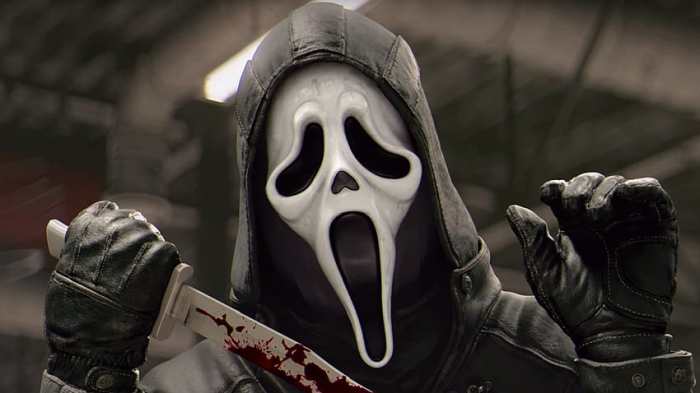
The encounter with a ghost’s face is a profound and unsettling experience that can leave a lasting impact on an individual’s psyche. The apparition of a spectral visage, often shrouded in an ethereal aura, triggers a cascade of psychological and emotional responses that are both fascinating and deeply disturbing.
The Nature of Fear and Anxiety
The appearance of a ghost’s face is inherently linked to the primal human fear of the unknown and the supernatural. The sudden and unexpected manifestation of a spectral presence, often accompanied by an eerie silence or unsettling sounds, can induce a state of intense fear and anxiety.
The human mind, wired to seek patterns and explanations, struggles to rationalize the inexplicable, leading to heightened feelings of vulnerability and unease. This heightened state of anxiety can manifest in various ways, including rapid heartbeat, shortness of breath, trembling, and even a sense of impending doom.
Gain access to is gojo dead to exclusive resources that are other.
Artistic Representations of Ghost’s Faces
The depiction of ghosts in art has evolved over centuries, reflecting cultural beliefs and artistic styles. From haunting portraits to ethereal figures, artists have attempted to capture the essence of the spectral realm, often drawing upon popular folklore and psychological interpretations of the afterlife.
Visual Representations of Ghost’s Faces Across Cultures
Artists have utilized a range of techniques to portray ghost’s faces, drawing inspiration from various cultural interpretations.
- Western Art:In Western art, ghosts are often depicted as translucent figures with pale skin and hollow eyes, emphasizing their spectral nature. Examples include the iconic “Ghost of Hamlet’s Father” in Shakespeare’s Hamlet, portrayed as a spectral figure in various theatrical adaptations.
- Eastern Art:Eastern art often portrays ghosts with more vibrant colors and intricate details, reflecting the belief in spirits and the afterlife. In Japanese art, ghosts are frequently depicted as vengeful spirits, known as “yūrei,” with long, flowing hair and mournful expressions.
- Indigenous Art:Indigenous cultures worldwide have rich traditions of ghost lore, often depicted as shapeshifting entities or spirits of ancestors. In Aboriginal Australian art, for instance, ghosts are frequently portrayed as figures with animalistic features, representing their connection to the natural world.
Comparison of Artistic Depictions of Ghost’s Faces
The following table highlights the key differences and similarities in artistic depictions of ghost’s faces across various mediums:
| Medium | Cultural Influence | Typical Features | Examples |
|---|---|---|---|
| Painting | Western, Eastern, Indigenous | Translucent skin, hollow eyes, mournful expressions, animalistic features | “The Ghost of Hamlet’s Father” (Shakespeare’s Hamlet), “The Scream” (Edvard Munch), “The Ghost of a Woman” (Aboriginal Australian art) |
| Sculpture | Western, Eastern | Stone or bronze figures with ethereal features, spectral forms, ghostly apparitions | “The Thinker” (Auguste Rodin), “The Ghost of the Opera” (Andrew Lloyd Webber’s musical), “The Spirit of the Dead” (Japanese art) |
| Photography | Contemporary | Blurred images, shadows, ghostly apparitions, unexplained phenomena | “The Ghost of the Bride” (photographed in 1920s), “The Ghost of the Ship” (photographed in 1970s), “The Ghost of the Child” (photographed in 1990s) |
Famous Paintings, Sculptures, and Photographs Depicting Ghost’s Faces
Numerous works of art have captured the haunting presence of ghosts, ranging from classic paintings to contemporary photographs.
Learn about the key aspects that make blue lock season 2 the top choice.
- “The Ghost of Hamlet’s Father” (William Shakespeare’s Hamlet):This iconic figure, often depicted as a translucent figure with a mournful expression, represents the enduring power of Shakespeare’s tragedy.
- “The Scream” (Edvard Munch):This expressionist masterpiece captures the terror and anxiety of a ghostly figure, symbolizing the psychological impact of encountering the spectral realm.
- “The Thinker” (Auguste Rodin):This bronze sculpture depicts a pensive figure, often interpreted as a representation of the human condition and the contemplation of mortality.
- “The Ghost of the Opera” (Andrew Lloyd Webber’s musical):This spectral figure, with a haunting voice and a masked face, represents the enduring power of music and the mysteries of the afterlife.
- “The Ghost of the Bride” (photographed in 1920s):This photograph, often cited as evidence of ghostly phenomena, depicts a translucent figure in a wedding dress, captured at a haunted location.
The Science of Ghostly Apparitions

While the concept of ghosts has been a part of human folklore for centuries, the scientific community has struggled to find concrete evidence to support their existence. Despite the lack of definitive proof, several scientific theories attempt to explain the phenomenon of ghost sightings, often drawing upon the complex interplay of human perception and psychology.
Theories on Ghostly Apparitions
The scientific community generally considers ghost sightings to be a result of human perception and psychological factors. However, there are a few theories that attempt to explain the phenomenon from a more scientific perspective.
- Electromagnetic Fields:Some researchers suggest that electromagnetic fields (EMFs) generated by electronic devices or natural sources might trigger paranormal experiences, including ghost sightings. While some anecdotal evidence links EMFs to ghost sightings, no conclusive scientific evidence supports this claim.
- Sleep Paralysis:Sleep paralysis is a condition where individuals are aware of their surroundings but unable to move or speak while transitioning between sleep and wakefulness. This state can be accompanied by hallucinations, including the feeling of a presence in the room, which could be misinterpreted as a ghost sighting.
- Collective Hallucinations:In rare cases, groups of people can experience similar hallucinations, known as collective hallucinations. These shared experiences can be triggered by various factors, such as stress, fatigue, or shared beliefs. In some instances, collective hallucinations could explain ghost sightings reported by multiple individuals.
The Role of Human Perception and Psychology
Human perception plays a crucial role in ghost sightings. Our brains are constantly processing information from our senses, and sometimes they can misinterpret this information, leading to illusions or hallucinations.
- Pareidolia:This is the tendency to perceive patterns or meaning in random stimuli, such as seeing faces in clouds or hearing voices in random noises. This phenomenon could explain why people see ghostly figures in shadows or flickering lights.
- Confirmation Bias:This cognitive bias leads people to seek out or interpret information that confirms their existing beliefs. If someone believes in ghosts, they may be more likely to interpret ambiguous stimuli as evidence of their existence.
- Suggestibility:The power of suggestion can also influence perception. If someone is told that a particular place is haunted, they may be more likely to experience ghost sightings, even if there is no real evidence to support this claim.
Scientific Evidence
Despite numerous investigations and studies, no definitive scientific evidence supports the existence of ghosts. While many people report experiencing paranormal phenomena, these claims often lack verifiable evidence and can be attributed to various psychological factors.
- Lack of Physical Evidence:Ghost sightings are rarely accompanied by physical evidence, such as footprints, fingerprints, or other tangible objects. This lack of physical evidence makes it difficult to verify the authenticity of ghost sightings.
- Inconsistency of Observations:Ghost sightings are often inconsistent, with different individuals reporting different appearances and behaviors of the same ghost. This inconsistency further undermines the credibility of these claims.
- Reproducibility:Scientific investigations rely on the principle of reproducibility, meaning that experiments should be able to be repeated with similar results. However, ghost sightings are rarely reproducible, making it difficult to study them scientifically.
The ghostly face, a haunting enigma, continues to fascinate and perplex us. While science strives to explain the phenomenon, the allure of the unknown persists, leaving room for both rational inquiry and imaginative speculation. As we delve deeper into the mysteries surrounding ghost’s faces, we confront the limits of our understanding, embracing the possibility of a reality that extends beyond our current comprehension.
Common Queries: Ghost’s Face
What are the most common facial features attributed to ghosts?
Ghosts are often depicted with pale, translucent skin, hollow eyes, and a haunting expression. Other common features include long, flowing hair, a spectral glow, and a distorted or incomplete appearance.
How do ghosts communicate through their faces?
Ghosts are believed to communicate through facial expressions, gestures, and sometimes even audible voices. These expressions can convey emotions like sadness, anger, fear, or a longing for connection.
Is there any scientific evidence for the existence of ghosts?
Scientific evidence for the existence of ghosts remains elusive. However, some researchers explore theories related to human perception, electromagnetic fields, and other phenomena that might explain ghost sightings.
