Luffy live action – Luffy Live-Action: Navigating the Challenges of Bringing Anime to Life, the live-action adaptation of the beloved anime series One Piece, has sparked excitement and trepidation among fans. The challenge lies in translating the vibrant world of Luffy, the rubber-powered pirate captain, and his crew, into a realistic setting while retaining the spirit and essence of the original source material.
From capturing Luffy’s signature rubber powers to finding an actor who embodies his infectious energy, the production faces numerous hurdles in bringing this iconic character to life.
The success of the live-action adaptation hinges on its ability to bridge the gap between the animated world of One Piece and the expectations of a live-action audience. Balancing visual fidelity with the emotional depth of the original anime will be crucial.
The production team must navigate the delicate balance of appealing to long-time fans while introducing the series to a new generation of viewers.
The Appeal of Luffy
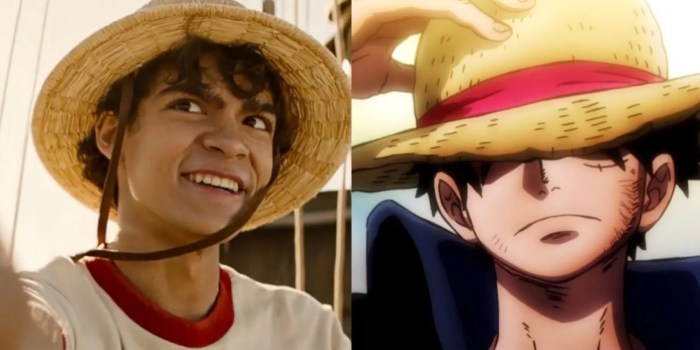
Monkey D. Luffy, the protagonist of the globally acclaimed manga and anime series One Piece, has captivated audiences worldwide for over two decades. His unwavering optimism, infectious enthusiasm, and unwavering determination to become the Pirate King have resonated deeply with fans, solidifying his place as one of the most beloved anime characters of all time.
Luffy’s Enduring Popularity
Luffy’s enduring popularity can be attributed to a combination of his endearing personality traits, relatable struggles, and the inspiring message he embodies. His boundless optimism and unwavering belief in his dreams serve as a beacon of hope for readers and viewers.
His ability to inspire others, even in the face of overwhelming odds, is a testament to the power of human spirit. Luffy’s unwavering commitment to his friends and his unwavering determination to achieve his goals are qualities that resonate with audiences of all ages.
Reasons for Luffy’s Global Appeal
- Luffy’s simple yet powerful ideals of freedom and friendship are universal values that transcend cultural boundaries.
- His unwavering determination to achieve his goals, even in the face of overwhelming odds, serves as an inspiration to readers and viewers.
- Luffy’s unwavering loyalty to his friends and his willingness to sacrifice himself for their well-being are qualities that resonate deeply with audiences.
- Luffy’s humorous personality and his ability to find joy in the midst of adversity provide a welcome escape from the stresses of everyday life.
Impact of Luffy’s Personality on One Piece’s Success
Luffy’s personality is a driving force behind One Piece’s enduring popularity. His infectious enthusiasm and unwavering determination are key elements that contribute to the series’ compelling storytelling and emotional depth. His unwavering belief in his dreams and his unwavering loyalty to his friends inspire readers and viewers to pursue their own aspirations with courage and determination.
Luffy’s journey, filled with both triumphs and setbacks, serves as a powerful reminder that even the most challenging obstacles can be overcome with perseverance and the support of loved ones.
You can feel the advantages of reviewing tokyo revengers season 4 today.
Challenges of Bringing Luffy to Live-Action: Luffy Live Action
Bringing the vibrant world of One Piece to the live-action screen presents numerous challenges, particularly in capturing the essence of Luffy’s rubber-like powers and finding an actor who embodies his spirit. Furthermore, cultural differences may influence how the adaptation is received by audiences worldwide.
Replicating Luffy’s Rubber Powers
Replicating Luffy’s rubber powers realistically is a significant technical hurdle. While CGI can create convincing effects, it must be seamlessly integrated with live-action footage to avoid appearing jarring or unrealistic. The challenge lies in finding a balance between creating visually impressive effects and maintaining a sense of grounded realism.
- Motion Capture and CGI:Motion capture technology can capture the movements of actors, allowing for realistic depiction of Luffy’s stretching abilities. However, the CGI must be meticulously crafted to ensure it blends seamlessly with the live-action environment. A successful example is the motion capture work done in films like “Avatar” and “Planet of the Apes,” which demonstrates the potential of this technology in capturing complex movements.
Gain direct insights about the benefits of one piece live action posters through case studies.
- Practical Effects:While CGI will likely play a significant role, practical effects can also contribute to the realism of Luffy’s powers. For example, using prosthetics and special makeup could create the illusion of Luffy’s body stretching and contorting. The use of practical effects in films like “The Lord of the Rings” and “Harry Potter” showcases how these techniques can enhance the visual spectacle of fantastical elements.
- Camera Work and Editing:The camera work and editing can also play a crucial role in conveying Luffy’s rubber powers. Strategic camera angles and editing techniques can create the illusion of stretching and distortion, making the effects appear more believable. Examples include the use of slow-motion and wide-angle shots in action films, which help to emphasize the impact and speed of movements.
Finding an Actor Who Embodies Luffy
Casting an actor who embodies Luffy’s spirit and physicality is paramount to the success of the adaptation. Luffy is a charismatic and energetic character, known for his unwavering determination, infectious optimism, and unwavering loyalty. Finding an actor who can capture these qualities while also possessing the physicality to convincingly portray Luffy’s stretching abilities is a challenging task.
- Physicality and Energy:Luffy is a physically capable character, able to withstand immense pain and push his body to its limits. The actor cast must have the physical stamina and agility to convincingly portray these abilities. Examples of actors who have successfully portrayed physically demanding roles include Tom Cruise in “Mission: Impossible” and Chris Hemsworth in “Thor,” demonstrating the importance of physical prowess in action-oriented roles.
- Charisma and Energy:Luffy is a charismatic and energetic character who inspires others with his unwavering optimism and infectious enthusiasm. The actor must possess a natural charisma and energy that can draw audiences into the character’s world. Examples of actors who have successfully conveyed charisma and energy include Will Smith in “Men in Black” and Ryan Reynolds in “Deadpool,” showcasing the importance of these qualities in captivating audiences.
Learn how the integration of demon slayer character can strengthen efficiency and work results.
- Spirit and Determination:Luffy is driven by an unwavering determination to achieve his goals, even in the face of adversity. The actor must be able to convey this spirit and determination through their performance. Examples of actors who have successfully portrayed characters with unwavering determination include Leonardo DiCaprio in “The Revenant” and Jennifer Lawrence in “The Hunger Games,” demonstrating the importance of conveying inner strength and resilience.
Cultural Differences and Reception
Cultural differences can significantly impact the reception of the One Piece adaptation. The series is deeply rooted in Japanese culture, with its own unique storytelling conventions and humor. The adaptation must find a balance between staying true to the source material and making it relatable to a global audience.
- Humor and Storytelling:Japanese humor often relies on cultural references and puns that may not translate well to other cultures. The adaptation must find ways to adapt the humor to make it accessible to a wider audience without sacrificing the spirit of the original.
Examples of successful adaptations that have navigated cultural differences include “The Girl with the Dragon Tattoo” and “The Girl on the Train,” which have been adapted from Swedish and British novels, respectively, for global audiences.
- Character Representation:The adaptation must be sensitive to cultural differences in character representation. Characters who may be considered stereotypical in one culture may be offensive in another. The adaptation must be mindful of these nuances to avoid alienating audiences. Examples of successful adaptations that have addressed cultural representation include “Crazy Rich Asians” and “Black Panther,” which have celebrated diversity and inclusivity in their portrayals of characters and stories.
- Visual Style and Aesthetics:The visual style and aesthetics of the adaptation must be appealing to a global audience. While the series is known for its vibrant and colorful visuals, the adaptation must find a balance between staying true to the source material and appealing to a wider range of tastes.
Examples of successful adaptations that have incorporated global aesthetics include “The Lord of the Rings” and “Game of Thrones,” which have blended fantasy elements with realistic settings and costumes to create visually captivating worlds.
The Future of Live-Action One Piece
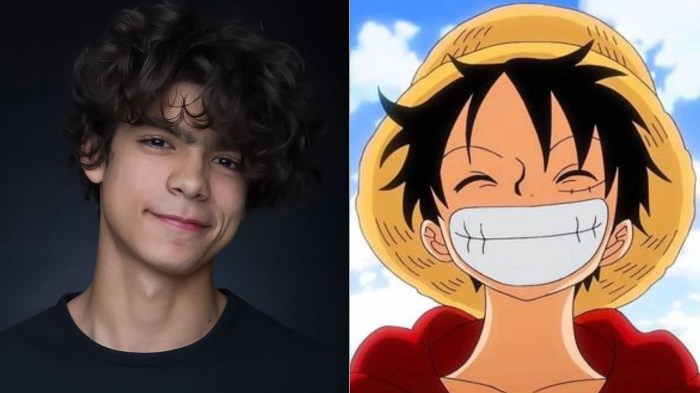
The success of the live-action One Piece adaptation hinges on its ability to capture the essence of the anime and manga while appealing to a broader audience. If the series achieves this, it has the potential to spawn a vast and exciting future for the One Piece universe on screen.
Potential Future Projects, Luffy live action
The success of the live-action adaptation could pave the way for a multitude of spin-offs, sequels, and other adaptations. The vastness of the One Piece world, with its intricate characters, compelling storylines, and diverse locations, offers ample opportunities for expansion.
- Sequels:The live-action adaptation could continue to follow the Straw Hats’ journey, adapting the remaining arcs of the manga. This could potentially include multiple seasons, each focusing on a specific arc or saga, similar to the anime’s format.
- Spin-offs:The success of the main series could lead to spin-offs exploring individual characters or specific storylines. For instance, a spin-off series could focus on the backstory of a particular Straw Hat crew member, delve into the world of the Marines, or explore the history of the Devil Fruits.
- Movies:One Piece movies could offer standalone adventures for the Straw Hats or delve into the lore of the world. These movies could explore new characters and storylines, expanding the universe beyond the main series.
- Animated Series:A live-action adaptation could inspire a new animated series, possibly with a different art style or target audience. This could offer a fresh perspective on the One Piece world and appeal to a wider demographic.
Potential Characters and Storylines
The One Piece world is filled with compelling characters and storylines that could be explored in future projects. The success of the live-action adaptation could lead to adaptations of the following:
- The Straw Hats’ Backstories:Each Straw Hat crew member has a unique and compelling backstory that could be explored in spin-offs or movies. This would provide deeper insight into their motivations and relationships, enhancing their characters.
- The World Government and Marines:The world government and the Marines are powerful organizations with complex histories and internal struggles. Spin-offs or movies could delve into their workings, exploring the motivations of key figures like Sengoku, Garp, or Akainu.
- The Four Emperors:The Four Emperors, the most powerful pirates in the world, each have unique personalities and ambitions. Spin-offs or movies could focus on their individual stories, exploring their pasts, rivalries, and ambitions.
- The Shichibukai:The Shichibukai, a group of powerful pirates who serve the world government, are a fascinating and complex group. Spin-offs or movies could explore their individual stories, exploring their motivations for joining the Shichibukai and their conflicts with the Straw Hats.
- The Devil Fruits:The Devil Fruits, which grant unique abilities to those who consume them, are a key element of the One Piece world. Spin-offs or movies could delve into the origins of the Devil Fruits, exploring their history, powers, and significance.
The Luffy Live-Action adaptation presents a unique opportunity to explore the world of One Piece in a new light. The success of this venture could potentially expand the fandom, introducing new audiences to the captivating story and characters. The production team faces a monumental task, but if they can capture the heart and soul of the original anime, the live-action adaptation could become a testament to the enduring power of storytelling across different mediums.
Quick FAQs
Will the live-action adaptation follow the original storyline?
The live-action adaptation is expected to follow the general storyline of the anime, but may make some changes to fit the live-action format.
Who is playing Luffy in the live-action adaptation?
Iñaki Godoy is playing the role of Monkey D. Luffy in the live-action adaptation.
When will the live-action adaptation be released?
The first season of the live-action adaptation of One Piece premiered on August 31, 2023, on Netflix.
