Spider lily meaning goes beyond its striking appearance. This elegant flower, with its long, delicate petals resembling spider legs, has a rich history and cultural significance that spans across the globe. From ancient myths and legends to modern art and literature, the spider lily has captivated imaginations for centuries, embodying various symbolic meanings that resonate deeply with human emotions.
Its name, Hymenocallis, is derived from the Greek words “hymen” (membrane) and “kallos” (beauty), reflecting the delicate beauty of its flower structure. Native to the Americas and the Caribbean, the spider lily thrives in warm climates and is often associated with water, symbolizing purity and rebirth.
However, the spider lily also carries darker connotations, representing death and mourning in some cultures. This duality of meaning adds to the mystique and allure of this fascinating plant.
Spider Lily Symbolism and Cultural Significance
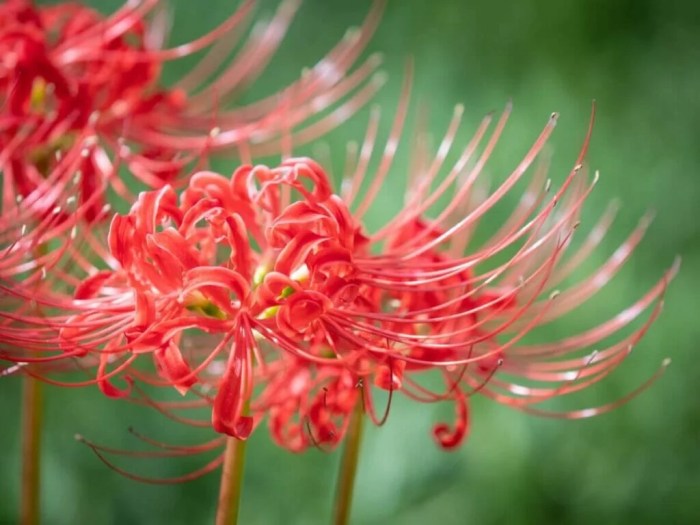
The spider lily, with its distinctive, spider-like blooms, holds a rich tapestry of symbolism and cultural significance across various regions of the world. Its striking appearance and association with both life and death have made it a subject of fascination and reverence for centuries.
Symbolism of the Spider Lily
The spider lily’s symbolism is multifaceted, encompassing themes of rebirth, purity, and death. Its association with rebirth stems from its ability to bloom quickly and abundantly, symbolizing new beginnings and renewal. Its white petals, often likened to purity and innocence, further enhance this association.
However, the spider lily is also closely linked to death, particularly in East Asian cultures, due to its association with the underworld and the cycle of life and death.
You can feel the advantages of reviewing ghost’s face today.
Cultural Significance in Different Regions
The spider lily’s cultural significance varies depending on the region.
East Asia
- In Japan, the spider lily is known as the “higanbana” and is often associated with the equinox, a time of remembrance for ancestors. It is believed to guide the spirits of the dead to the afterlife. Its association with death is also reflected in its use at funeralsand in cemeteries.
The vibrant red color of the higanbana is often interpreted as a symbol of passionand sacrifice.
- In China, the spider lily is known as the “manju shahua” and is associated with sadnessand separation. It is often used in folkloreand poetryto symbolize the pain of lost love or the sorrow of death. Its name, which translates to “red spider lily,” reinforces its connection to the underworldand the cycle of life and death.
- In Korea, the spider lily is known as the “sangsaenggwol” and is associated with rebirthand renewal. It is often planted in gardensand parksas a symbol of hopeand new beginnings. However, it also carries a connection to deathand is sometimes used at funerals.
Other Regions
- In South America, the spider lily is known as the “amaryllis” and is often associated with beautyand grace. It is a popular garden flowerand is often used in floral arrangements.
- In Australia, the spider lily is known as the “currajong lily” and is associated with strengthand resilience. It is a native flowerthat is known for its ability to thrive in harsh conditions.
Spider Lily in Art, Literature, and Folklore
The spider lily’s unique appearance and symbolism have made it a popular subject in art, literature, and folklore.
Art
The spider lily has been featured in numerous works of art, from traditional Japanese woodblock prints to contemporary paintings. Its vibrant red color and delicate petals make it a visually striking subject. For example, Katsushika Hokusai, a renowned Japanese artist, incorporated the spider lily into several of his woodblock prints, often depicting it alongside other elements of nature.
Explore the use of when does the newest call of duty come out in real-world conditions to understand its uses.
Literature
The spider lily has also been a source of inspiration for poets and writers. In Japanese literature, the higanbana is often used as a symbol of transience, mortality, and the passage of time. It appears in poems, novels, and short stories, often evoking a sense of melancholy or longing.
Folklore
In folklore, the spider lily is often associated with spirits, ghosts, and the supernatural. In Japanese folklore, the higanbana is said to be the favorite flower of the kitsune, a mythical fox spirit. It is also said to be able to guide lost soulsto the afterlife.
Spider Lily in Literature and Art
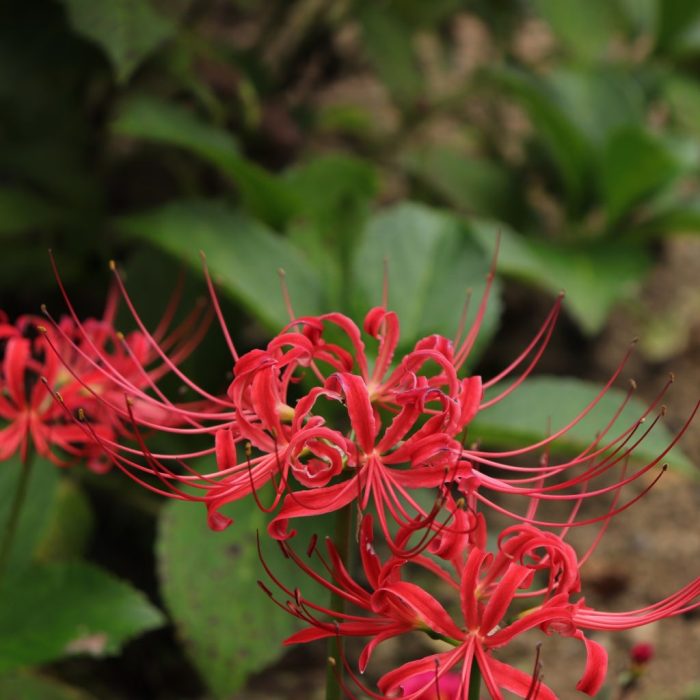
The spider lily, with its captivating beauty and symbolic depth, has captivated the imaginations of artists and writers for centuries. Its presence in literary works and artistic creations adds layers of meaning and enhances the narratives, evoking emotions and reflecting cultural values.
Explore the various factors of oshi no ko season 2 release date to gain a more in-depth understanding.
The Spider Lily in Literature
The spider lily’s haunting beauty and association with death and rebirth have made it a popular symbol in literature, particularly in Asian cultures. It often appears in poems, novels, and plays, representing themes of transience, mortality, and spiritual transformation.
- In Japanese literature, the spider lily, known as “higanbana,” is frequently used to symbolize the ephemeral nature of life and the passage of time. In the classic Japanese novel “The Tale of Genji” by Murasaki Shikibu, the spider lily appears as a symbol of the impermanence of love and the fleeting beauty of youth.
- In Chinese literature, the spider lily is known as “manjushage” and is associated with the Buddhist concept of “emptiness” or “sunyata,” which emphasizes the impermanence of all things. In the Tang dynasty poem “The Spider Lily” by Li Bai, the flower is depicted as a symbol of the transience of life and the inevitability of death.
- In Korean literature, the spider lily, known as “sangsaengkkot,” is often used to symbolize the cycle of life and death. In the Korean folktale “The Legend of the Spider Lily,” the flower is said to have sprung from the tears of a heartbroken woman who died waiting for her lover.
The Spider Lily in Visual Art
The spider lily’s striking appearance has inspired countless artists to capture its beauty on canvas, in sculptures, and through photography. The flower’s delicate petals, vibrant colors, and unique form provide a rich subject matter for artistic expression.
- In Japanese art, the spider lily is a popular subject for woodblock prints, paintings, and ceramics. Artists often depict the flower in traditional Japanese gardens, symbolizing the cycle of life and death.
- In Chinese art, the spider lily is often featured in paintings and calligraphy, symbolizing the transience of life and the beauty of impermanence. The flower’s elegant form and vibrant colors are often used to create a sense of serenity and tranquility.
- In Western art, the spider lily has been less frequently depicted, but it has found its way into the works of some artists who are drawn to its exotic beauty and symbolic significance. For example, the Dutch painter Vincent van Gogh included a spider lily in his painting “Irises,” suggesting the flower’s association with death and rebirth.
Spider Lily in Horticulture and Gardening: Spider Lily Meaning

Spider lilies, with their striking, spider-like blooms, are a captivating addition to any garden. Their unique beauty and relatively easy cultivation make them a popular choice for gardeners of all levels of experience. This section delves into the practical aspects of growing spider lilies, covering their cultivation requirements, varieties, propagation methods, and integration into garden designs.
Cultivation Requirements
Spider lilies thrive in warm climates and require specific conditions to flourish. Understanding their needs ensures successful cultivation and a vibrant display of their distinctive blooms.
Soil Type
Spider lilies prefer well-drained soil that is rich in organic matter. They are not tolerant of soggy conditions, which can lead to root rot. A mixture of loam, compost, and sand provides the ideal balance of drainage and nutrient content.
Sunlight
Spider lilies require ample sunlight to thrive. They should be planted in a location that receives at least six hours of direct sunlight daily. Partial shade is tolerated, but full sun is ideal for optimal growth and flowering.
Watering Needs
Spider lilies require regular watering, especially during dry periods. The soil should be kept consistently moist, but not waterlogged. Allowing the top inch of soil to dry out between waterings helps prevent overwatering.
Varieties of Spider Lilies
Spider lilies encompass a range of varieties, each with its unique characteristics and appeal. These variations provide a spectrum of choices for gardeners seeking specific colors, sizes, or bloom times.
Common Spider Lily (Hymenocallis caribaea)
The common spider lily, native to the Caribbean, features fragrant white flowers with long, narrow petals that resemble spider legs. Its trumpet-shaped center adds to its captivating appearance. This variety thrives in warm climates and is a popular choice for tropical gardens.
Giant Spider Lily (Hymenocallis littoralis)
The giant spider lily, as its name suggests, boasts large, showy flowers with petals that can reach up to 12 inches in length. Its trumpet-shaped center is prominent and adds to its dramatic appearance. This variety is suitable for larger gardens and containers.
Peruvian Spider Lily (Hymenocallis × festalis)
The Peruvian spider lily is a hybrid variety known for its striking, white flowers with a yellow center. Its petals are slightly shorter and wider than those of the common spider lily, giving it a more compact appearance. This variety is well-suited for both gardens and containers.
Propagation Methods
Spider lilies can be propagated through bulbs or seeds. Both methods offer unique advantages and considerations for gardeners seeking to expand their collection.
Bulb Propagation
Bulb propagation is the most common and efficient method for spider lilies. Bulbs can be divided in the fall or spring after the flowering season. Each bulb division should have at least one growth bud. Plant the divisions in well-drained soil and water regularly.
New plants will emerge within a few weeks.
Seed Propagation
Seed propagation is a less common method but offers the potential for genetic diversity. Spider lily seeds can be sown in a seed tray filled with a well-drained potting mix. Keep the seeds moist and in a warm location.
Germination can take several weeks to several months. Seedlings should be transplanted to individual pots once they have developed a few true leaves.
Incorporating Spider Lilies into Garden Designs, Spider lily meaning
Spider lilies, with their unique beauty and versatility, can be incorporated into various garden designs to create captivating displays. Their striking blooms add a touch of elegance and intrigue to any landscape.
Mass Plantings
Mass plantings of spider lilies create a stunning visual impact, particularly when grouped in beds or borders. The dramatic blooms create a focal point and add a sense of grandeur to the garden.
Container Gardens
Spider lilies can be grown in containers, providing a convenient and portable option for smaller gardens or patios. Containers should have adequate drainage and be filled with a well-drained potting mix.
Water Gardens
Some spider lily varieties are well-suited for water gardens. They can be planted in containers submerged in water or directly in the pond bottom. Their striking blooms add a touch of beauty to aquatic landscapes.
The spider lily’s captivating beauty and multifaceted symbolism have made it a beloved subject in art, literature, and folklore. From its delicate petals to its intriguing history, the spider lily continues to inspire and intrigue, serving as a reminder of the interconnectedness between nature, culture, and human emotions.
As you encounter this graceful flower, take a moment to appreciate its unique beauty and contemplate the profound meanings it holds.
Key Questions Answered
What is the scientific name for the spider lily?
The scientific name for the spider lily is Hymenocallis.
Where is the spider lily native to?
Spider lilies are native to the Americas and the Caribbean.
What are some common uses for the spider lily?
Spider lilies are often used in gardens and landscaping, and their symbolism makes them popular for use in art, literature, and folklore.
Are spider lilies poisonous?
Spider lilies are not generally considered poisonous, but their bulbs can be irritating to the skin.
What is the best way to care for a spider lily?
Spider lilies thrive in warm climates and need well-drained soil, moderate sunlight, and regular watering.
